


The 1937 dividend again failed to cover cash flow. When will it stop paying off for Pfizer?

In the last twelve months, the regulator approved three more drugs from the Seagen portfolio for broader use, non-COVID revenue grew six percent year-on-year, and the company just gained a promising obesity platform in the form of Metsera. On top of that, the dividend yield exceeds 7%, and the company has paid a quarterly dividend continuously since 1937. Yet the stock trades at levels where it stood a year ago, at a single-digit earnings multiple, and with a valuation as if it were a company without a future, rather than a giant that is just opening two new growth pillars.
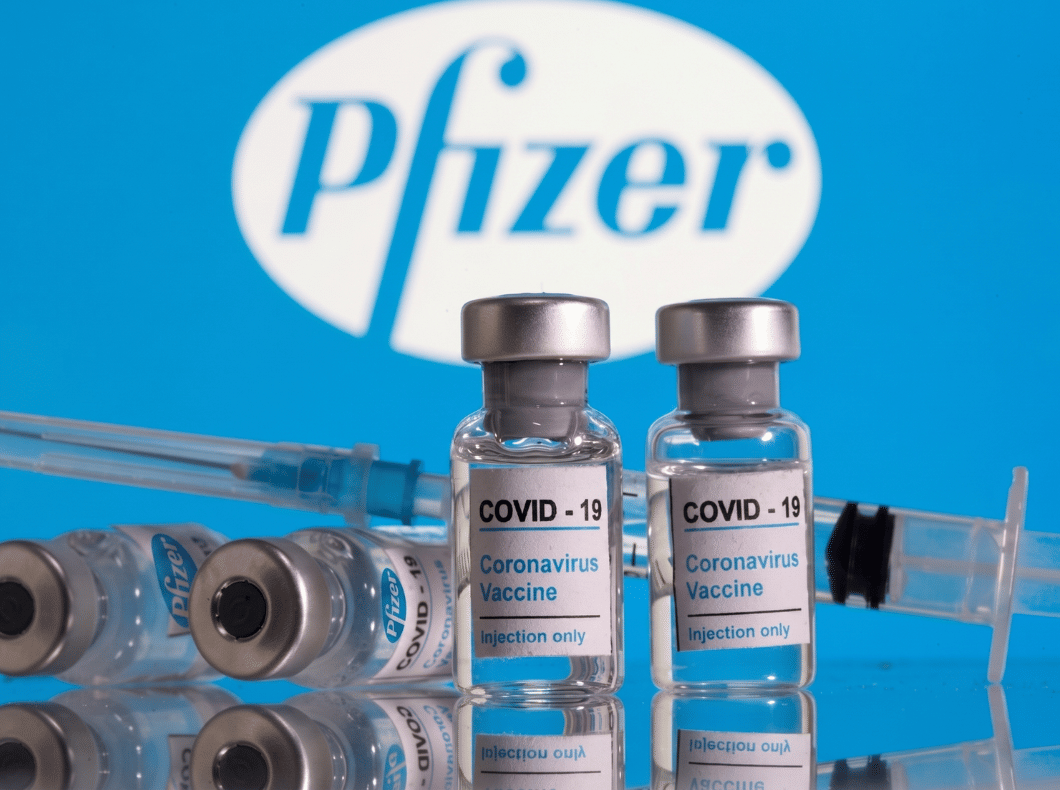
Key points
The stock has fallen by two-thirds, yet non-COVID revenue still grew by 6% last year.
Patent expirations will cost Pfizer up to $18 billion in revenue by 2028.
The company paid a combined nearly $48 billion for the Seagen and Metsera acquisitions.
The 1937 dividend exceeded free cash flow for the first time in 2025.
A reverse DCF model suggests up to 70% upside potential upon a return to historical valuation.
Pfizer $PFE is one of the most discussed large pharma names today, but for a different reason than in 2021 and 2022. The stock trades around $24, two-thirds below its pandemic fever peak, yet the dividend yield exceeds seven percent, and the valuation sits at a single-digit forward P/E. The market is pricing the stock as if the company were in permanent structural decline. The question is whether this discount is justified, or whether the market underestimates Pfizer’s ability to replace fading revenues with new products from oncology and metabolic diseases. The answer lies in what the actual contribution of the COVID era was to today’s revenue base, how deep the patent cliff will be between 2026 and 2030, whether the $43 billion Seagen acquisition was worth it, and whether the dividend that the company has paid continuously since 1937 will survive under realistic cash flow scenarios.
What the market is currently pricing in
Pfizer today stands at a crossroads between two opposing narratives: a huge, stable pharmaceutical company with one of the longest dividend records in the industry on one hand, and a company facing a multi-year revenue decline due to patent expirations on the other. The question for investors is which of these narratives is already priced into the stock and which is not.
The consensus of 29 analysts surveyed by S&P Global rates the stock a "BUY" with the following parameters:
Average price target: $29.15 (upside of just under 20%)
Estimate range: $24.00 to $36.00
Forward P/E: 8.5 to 9x earnings
Such a wide range of estimates signals deep disagreement among analysts about how quickly the company can replace lost revenues.
A low forward P/E does not by itself indicate undervaluation. The market typically assigns a low multiple to companies where it expects earnings to decline, and that is exactly the scenario Pfizer now faces. The stock price therefore already largely reflects expectations of a multi-year revenue decline due to patent expirations.
The key investment question, therefore, is not whether revenues will fall – because that is certain – but whether they will fall less than the market expects, and how quickly the company can return to growth after 2028.