


Flight to quality among tenants is playing right into this REIT’s hands

There are few sectors that have earned as much disdain in recent years as US offices. Remote work, half-empty buildings, falling prices, and a string of bankruptcies have turned office real estate into the symbol of a declining industry that many investors predicted would die a slow death. That is precisely why the companies that own these buildings are trading at a fraction of what they once were, and most investors are steering well clear of them.
Key points
The market is valuing this company at just 4.6 times its operating income, whereas healthy firms in the sector trade at twice to three times that multiple.
For the first time in its history, it suspended its dividend in order to redirect cash toward securing new tenants. It is targeting a return of the payout by 2027.
It already has signed but not yet commenced leases that will bring in $68 million of additional annual rent once they get going.
New office construction is at its lowest in 13 years, which paradoxically increases the value of the high-quality buildings the company owns.
It has bet everything on southern US growth markets and on the idea that tenants are fleeing old buildings for premium ones. The catch is its high debt load.
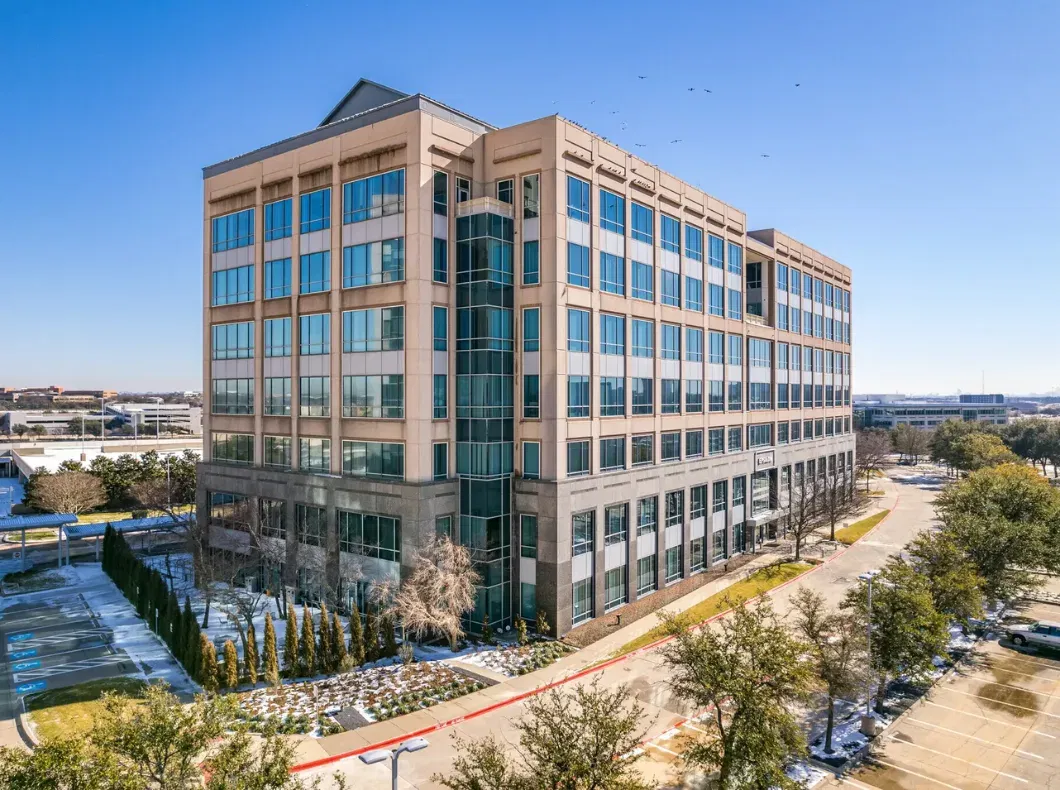
While the market was writing off the entire sector, a transformation known as “flight to quality” began unfolding beneath the surface. Tenants are indeed leaving old, uninspired buildings, but at the same time they are moving into the very best, most modern, and best-located ones, for which they are willing to pay record rents. And here is the key: if a company owns precisely those highest-quality buildings in the right cities, it can emerge from the whole shakeout as a winner rather than a victim.
The company we are about to discuss has staked everything on that thesis. It focuses on premium offices in US growth cities, and the data from recent quarters is so far proving it right: tenants are flooding in, rents are climbing, and occupancy is on the rise. In order to seize this opportunity fully, however, it had to make a painful decision that has put off many investors, and it also carries one major risk that makes it a speculation rather than a steady investment.
The question for an investor, then, is not whether offices are dead. The best of them clearly are not. It is whether this particular company can turn the revival in demand into its own salvation before what is hanging over its head catches up with it. And whether today’s deeply compressed price is an opportunity or a trap.