
May's US labour market report produced numbers that would normally make investors happy. The economy added significantly more jobs than expected, unemployment remained low and previous months were revised upwards. Yet the market reaction was unexpectedly harsh. The tech-heavy Nasdaq had its worst day in more than a year, the S&P 500 index ended its longest streak of gains since 2023, and bond yields jumped higher. The strong economy has become a threat to stocks as it feeds fears that the central bank will start considering rate hikes instead of the long-awaited rate cuts.
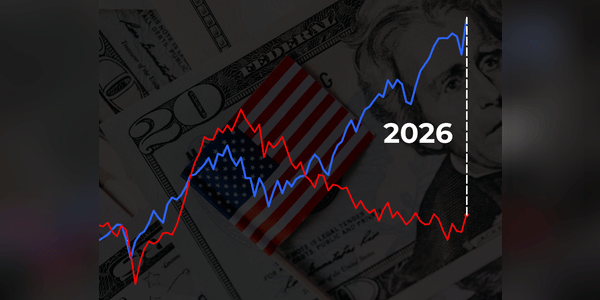
Why a strong labour market is hurting stocks today
The relationship between the labour market and stock prices is far from straightforward, and therein lies the source of the misunderstanding. Intuitively, one would expect more jobs to mean a stronger economy, higher consumption, and therefore higher corporate profits and higher stock prices. At certain points in the cycle, that is indeed how it works. But in today's…