


Memory manufacturers are experiencing a renaissance. Is this boom just getting started?
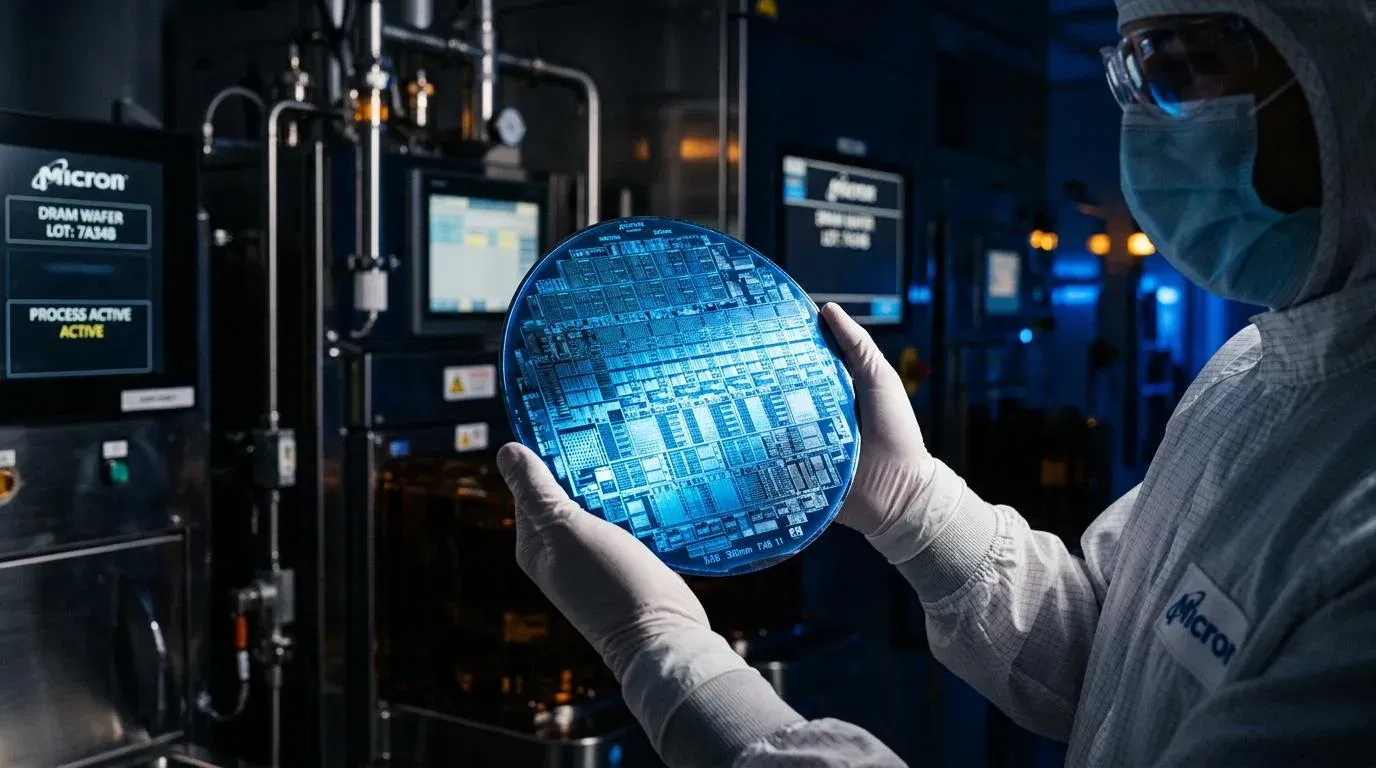
Memory chips have been one of the most cyclical segments of the semiconductor industry for decades. Periods of high prices alternated with sharp declines, when manufacturers sold DRAM and NAND memory nearly at cost. The rise of artificial intelligence, however, has fundamentally changed the entire field.
Today, the most important products are no longer ordinary DDR memories for personal computers, but above all HBM (High Bandwidth Memory), which almost no modern AI accelerator from Nvidia $NVDA, AMD $AMD or other manufacturers can do without. As a result, memory manufacturers have become some of the biggest winners of the current AI boom.
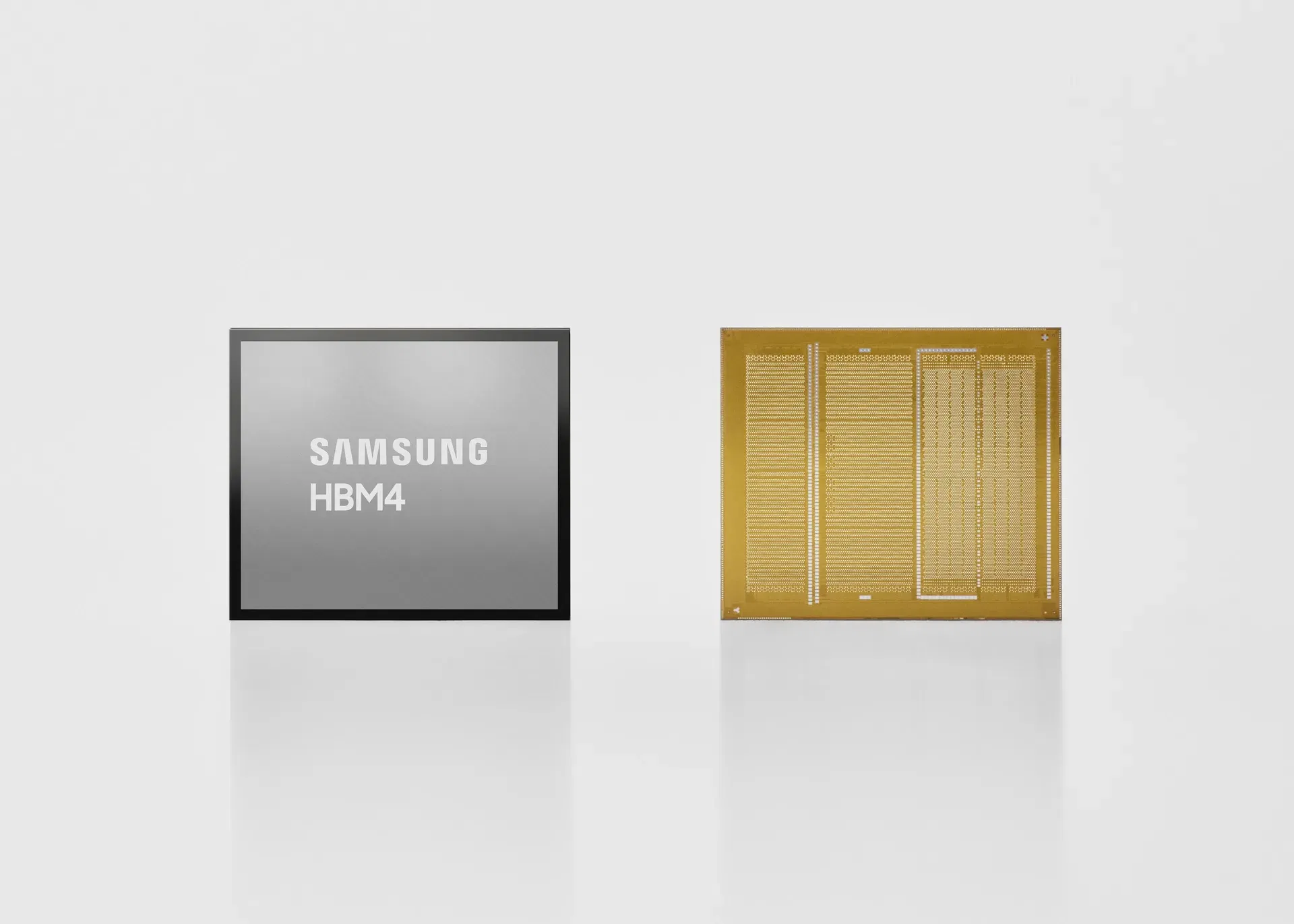
The market is dominated by three companies
The global DRAM market is extremely concentrated. Approximately 95% of the market is controlled by three manufacturers:
Samsung Electronics $005930.KS
SK hynix $SKHY
Micron Technology $MU
Is it this trio that now determines memory prices and the pace of technological development?
What has changed?
Historically, memory manufacturing was a commodity business. As soon as prices rose, manufacturers quickly increased capacities, leading to an oversupply and a subsequent price collapse.
Today the situation is different.
Building a modern factory costs tens of billions of dollars, and HBM production is extraordinarily demanding technologically. Moreover, the biggest customers (Nvidia, hyperscale data centers and cloud companies) are entering into long-term contracts.
The result is a significantly more disciplined supply.
According to Samsung management, HBM supply could remain tight for several more years, as demand for AI infrastructure still exceeds production capacities.
Recent stock performance
The past weeks have been extraordinarily volatile for the sector.
After the release of weaker results from some manufacturers, investors began to doubt whether AI investments are starting to slow. Micron and SK hynix shares therefore corrected sharply.
However, sentiment turned dramatically within a few days.
Samsung reported record results and simultaneously announced that it expects a continuing shortage of memory at least until 2028. This triggered a strong rally across the entire sector.
Micron added over 12% in a single day, and SK hynix shares rose similarly.
This shows how sensitive the market is today to any information about HBM supply and demand.
Revenue and margin trends
Micron was one of the biggest winners of the cycle turnaround. As recently as 2023, the company posted a billion-dollar loss, as DRAM and NAND prices were at multi-year lows. Since then, however, a sharp reversal has occurred: strong revenue growth, a return to high profitability, and record margins thanks to HBM products.
In addition, the company is gradually exiting less profitable consumer segments and focusing primarily on AI infrastructure and data centers.
SK hynix is now probably the biggest winner of the AI revolution. It has become the main supplier of HBM memory for Nvidia GPUs, which has led to sharp growth in: revenues, operating margins, net profit. The company achieves record operating margins and ranks among the most profitable semiconductor manufacturers in the world.
Samsung is a specific case. The memory division is experiencing rapid growth, while other parts of the company (mobile phones or consumer electronics) are growing much more slowly. The latest results were exceptionally strong: record revenues, record operating profit, and a significant improvement in margins in the semiconductor division. Investors, however, were somewhat disappointed that the stock had already priced in much of the positive expectations.
The biggest risks
Although the current outlook looks very optimistic, the sector remains cyclical. Key risks include: a slowdown in AI data center investments, an overly rapid increase in production capacities, the entry of new competitors (for example, China’s CXMT), and geopolitical risks.
It is precisely the entry of Chinese manufacturers that could increase competition, especially in the area of ordinary DRAM memories, within a few years.
My view on future developments
I believe the current cycle differs significantly from previous ones.
The reason is not only AI but, above all, the fact that manufacturers no longer invest recklessly in new capacities as they did ten years ago. Supply is much more disciplined, and a significant portion of production is sold far in advance.
This creates an environment in which memory manufacturers’ margins could be structurally higher than in past cycles.
I do not expect current record margins to last forever. It is likely that some degree of normalization will occur within a few years. On the other hand, I see no reason why the sector should return to the extremely low margins seen from 2018 to 2023.
If investment in AI infrastructure, cloud services and inference models continues to grow, demand for HBM and other high-performance memories will remain very strong. Samsung even expects the tight market situation to persist until 2028. Given the current results of hyperscalers and their planned CAPEX spending, it seems this cycle will last longer than previous cycles.
Conclusion
Memory chips were long considered a purely commodity business. AI, however, changed the rules of the game. HBM has become a strategic component of modern data centers, and manufacturers that have mastered this technology are now reaping record margins and profits.
For investors, this means that companies like Samsung, SK hynix or Micron are no longer just a bet on the traditional semiconductor cycle. They are becoming key suppliers of infrastructure for artificial intelligence. Nevertheless, it is worth bearing in mind that this remains a cyclical industry, and its results will depend on the pace of AI investments and on how quickly production capacities can be expanded. For long-term investors, however, this segment remains one of the most interesting ways to participate in the growth of AI without investing directly in GPU manufacturers themselves.
