3 Underrated Energy Stocks

Energy is this year's best-performing sector in the US market, yet many large producers still trade at single-digit multiples of expected earnings. The market does not consider current record cash flow sustainable and is already pricing in a return of oil prices to normal. Here is where opportunity arises for value investors. We will look at three companies where the difference between generated cash and market valuation is most pronounced, and we will also discuss where their cheap multiples have cracks.

Key points
Energy ranks among the best-performing parts of the market this year, yet among large producers one can still find valuations around 9 times expected earnings. The question is whether this is true undervaluation or the market merely sees something investors are overlooking.
One of the analyzed companies completed a giant merger worth about $58 billion. The newly formed giant plans billions in synergies, and management is already returning up to 70% of free cash flow to shareholders.
Another company has grown nearly 70% over the past 12 months, yet it offers one of the most attractive profitability-to-valuation ratios in the sector. On top of that, it adds dividends and massive buybacks.
The three analyzed companies today generate extraordinary amounts of cash and are aggressively returning part of it to shareholders. For selected names, free cash flow yield is around 9%.
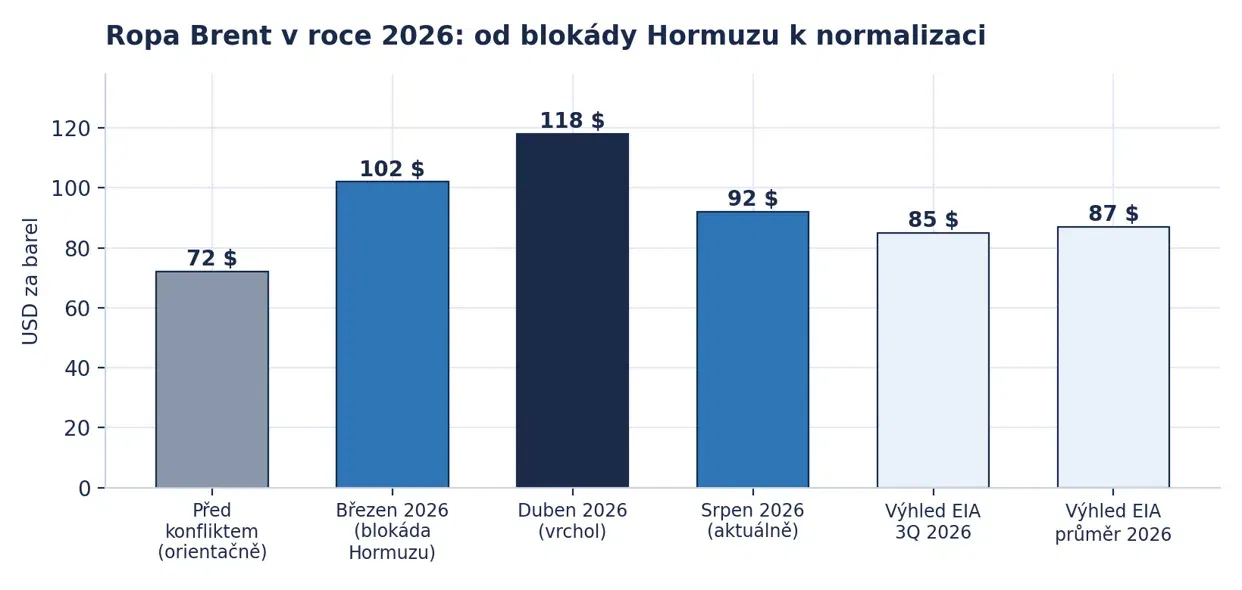
2026 has rewritten the rules of the game for the energy sector. Conflict in the Middle East and restricted passage through the Strait of Hormuz drove Brent crude above $118 per barrel in the first half, with some physical contracts briefly trading even higher. Currently the benchmark is around $90 to $94, roughly a quarter above pre-conflict levels. According to the August outlook from the US EIA, Brent should average around $85 in the third quarter, with a return of Middle Eastern production to pre-war levels not expected until 2027.
The result?
The energy sector has risen more than 30% since January and has become the best-performing part of the S&P 500, while the broad market was more or less flat. It would seem, then, that undervaluation is out of the question. Reality is different, because company earnings grew even faster than their stock prices. As a result, after a strong rally the sector looks cheaper on standard valuation metrics than it did twelve months ago.
The market does not believe prices above $90 per barrel will last, and therefore values producers more according to what it thinks about their normalized profitability at oil around $65 to $75. Whoever buys energy today is not buying cheap earnings, but betting that the return to "normal" prices will come later or slower than the market has priced in. The following three companies differ mainly in how they are protected against falling prices.