


🇨🇦 Canada hits back: Tariffs on $20 billion worth of U.S. goods‼️
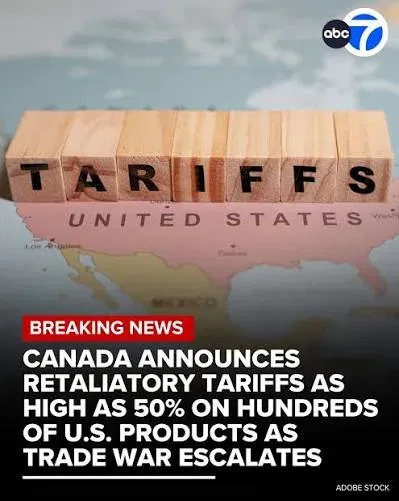
Canada today announced retaliatory tariffs on U.S. goods worth 27.6 billion Canadian dollars (about 19.94 billion USD) — more precisely, as they called it, "dollar for dollar" in response to new tariffs from Washington. The trade war between the neighbors has just moved up a level.
📅 When and what it will affect The retaliatory tariffs take effect from September 8 and apply to 700 products at three rates: 15%, 25%, and 50%.
🎯 How the tariffs are distributed
50% → steel, aluminum, furniture, clothing
25% → cheeses, consumer goods, some seafood
15% → electronics and tools
This is no accident — according to a government official, the tariffs are designed to hurt Canadian consumers as little as possible while still hitting the U.S.
➡️ Why is Canada doing this? Since Saturday, Trump's new 50% tariffs on Canadian imports worth $20 billion have been in effect. Negotiations between the countries that were meant to avert them have collapsed. The exchange of blows is a new low in Canada-U.S. relations.
Ottawa also introduced a package of measures worth 7.5 billion CAD — support for small and medium-sized enterprises, cash flow financing for businesses, and aid for workers threatened by the new tariffs.
Finance Minister François-Philippe Champagne summed it up by saying that the retaliatory tariffs along with the billion-dollar support package are meant to protect workers, farmers, families, and businesses.
The product list is precisely selected. Steel and aluminum are politically sensitive industries in U.S. swing states. Electronics, on the other hand, got the lowest rate — goods that Canadians have no alternative place to buy. In other words: maximum political pain for Washington, minimal inflationary impact for Canada.
A 7.5 billion CAD package. Canada acknowledges in advance that tariffs hurt it too. Retaliatory tariffs are essentially a tax on its own importers — and the government compensates for it from the budget. This can only be sustained for a few months. The question will be who lasts longer and whether these countries will ever shake hands again.
