


3 Firms with the Highest Share Buybacks

Share buybacks are an under-watched but at the same time the strongest form of returning capital to shareholders in 2026. In just the first four months of this year, American companies announced buybacks of roughly 665 billion dollars, the fastest start to a year in history. Most attention goes to the absolute numbers of mega-caps. For the retail investor, however, something else matters more: how large a portion of itself a company is actually taking off the market. That directly affects future returns. Which companies lead this year?
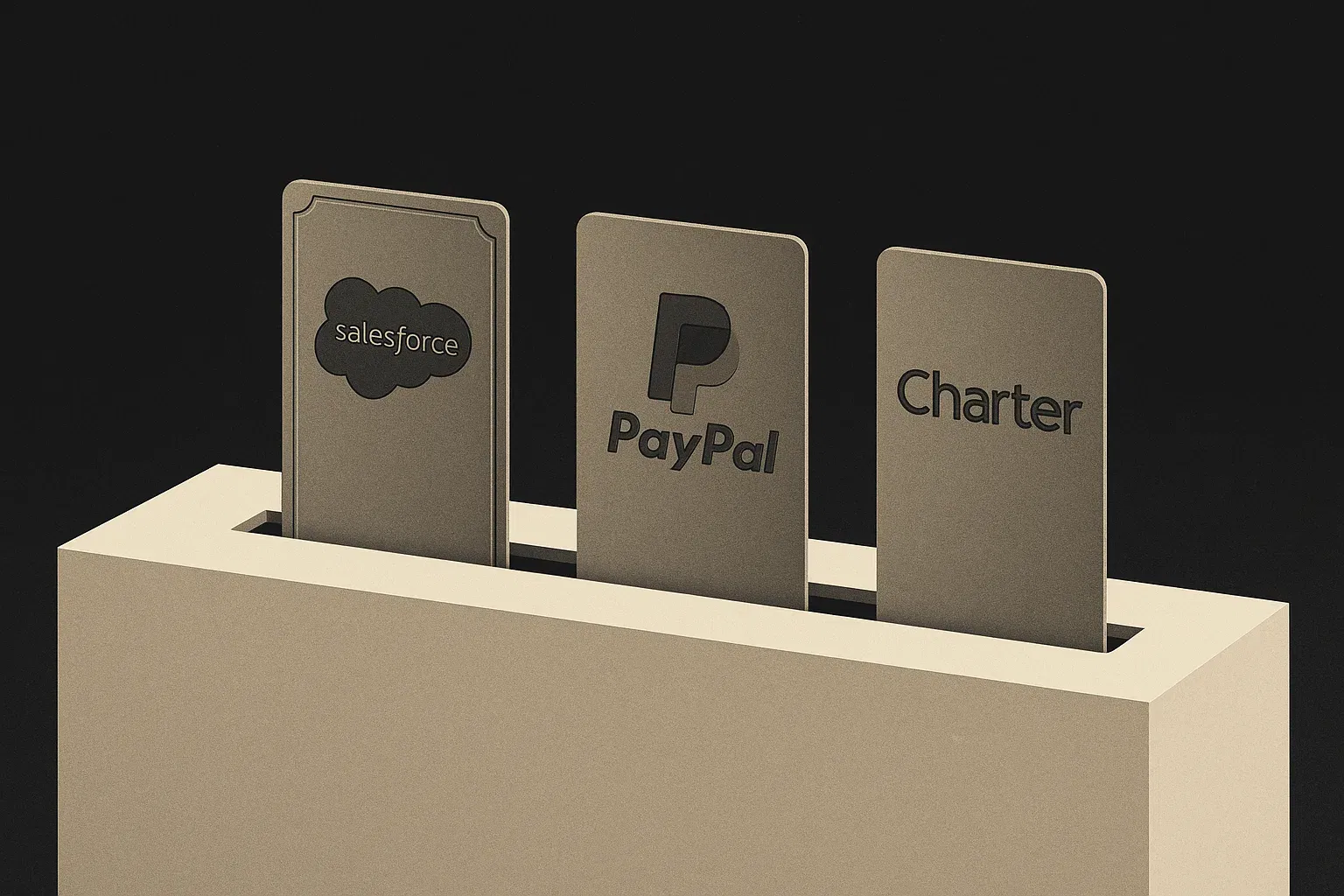
Key points
A record 665 billion dollars in just four months. American firms are buying back their own shares at the fastest pace in history.
A big buyback does not necessarily mean a big benefit for shareholders. There is a metric that turns the entire ranking of the largest buybacks upside down.
One of the companies pulled a huge amount of its own shares off the market in a single quarter. The way it financed the entire buyback, however, significantly changes how this transaction is viewed.
Another company buys back shares worth more than 13% of its current value every year. The question is what is happening to the underlying business in the meantime.
The highest buyback yield in the trio exceeds 11%. But one recent transaction changed the entire view of the company.
Two numbers, two stories
Absolute buyback volume. This has long been dominated by Apple $AAPL, Alphabet $GOOG or Meta $META, which spend tens of billions of dollars a year. With market caps in the trillions of dollars, however, that means a share count decline of only a few percent.
Buyback yield. The ratio of net buybacks to market capitalization. This metric measures the actual impact on existing shareholders, and today's selection is built precisely on it.
The difference between the two metrics is fundamental.
Buyback yield rises not only when a company buys more shares, but also when the share price falls. A high number can therefore be a sign of disciplined capital allocation, but it can equally be just a mathematical by-product of a valuation slump. For all three companies today, both play a role. In this analysis, we focus on telling them apart.
The rearview mirror trap
The catch is that buyback yield calculated from the change in share count over the last twelve months is always a look in the rearview mirror. If a company issues new shares in the meantime for an acquisition or for employee stock compensation, analyses will only capture that with a delay of several months. This exact situation occurred at one company in our selection. In the analysis, however, we discuss how to spot it and what impact it can have on that company's stock.