OpenAI Eyes a Historic Public Debut Worth Up to $1 Trillion

After reshaping its structure to reduce reliance on Microsoft, OpenAI is quietly preparing for one of the largest IPOs ever seen in tech. Sources say the ChatGPT maker could go public as early as 2026, seeking funds to fuel Sam Altman’s trillion-dollar AI infrastructure vision.
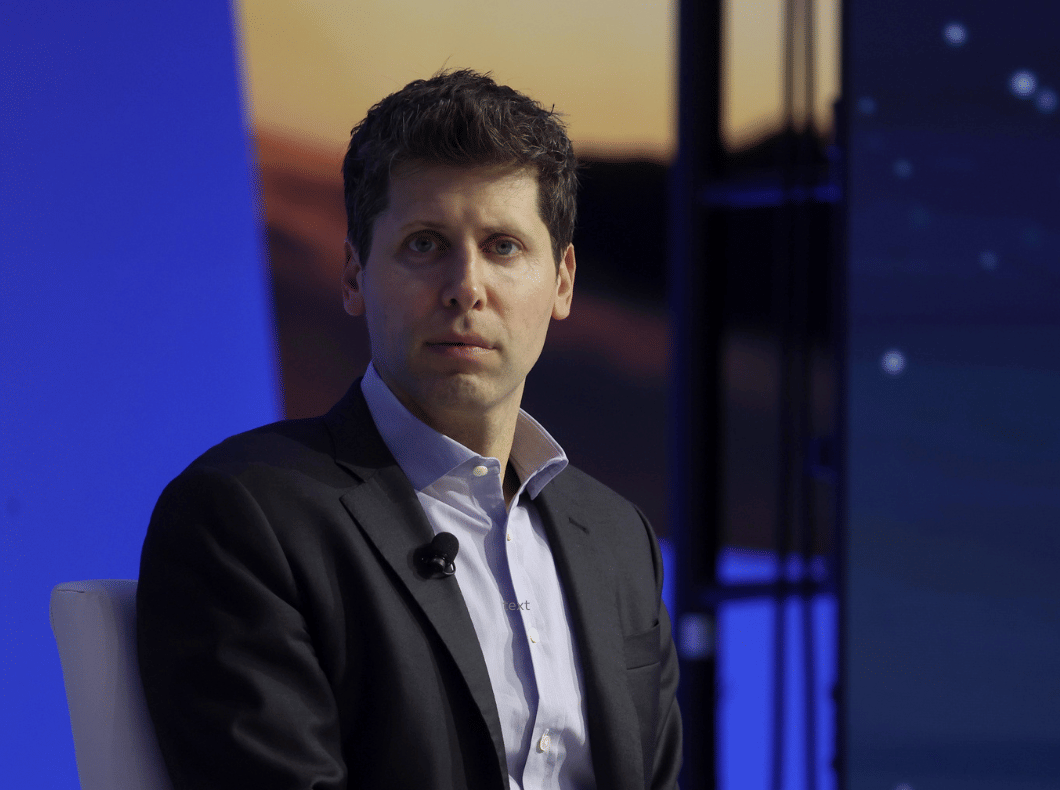
People familiar with the plan said the company could file with U.S. regulators as early as the second half of 2026with an official listing to follow around 2027. Discussions are still at an early stage, however, and the timing will depend on market development and revenue growth.
The road to listing: restructuring and separation from Microsoft
OpenAI recently completed a comprehensive restructuring with the sole objective of simplifying its capital structure and reducing its dependence on Microsoft $MSFT, which holds a roughly 27% stake in the company after a $13 billion investment.
The newly formed OpenAI Foundation now controls 26% stake in the OpenAI Group and has the option to increase that stake further upon reaching pre-determined milestones. This change strengthens the non-profit superstructure of the company, but also opens the door to more capital-efficient funding.
The Altman Plan: trillions for the AI era
According to internal sources, OpenAI is on track to an annual revenue run rate of over $20 billioneven though the company is still loss-making. The IPO would provide a vehicle for massive capital injections and allow the company to finance infrastructure for next-generation AI chips and data centers - projects that could gobble up trillions of dollars in the coming years.
CEO Sam Altman has suggested that going public is the most likely pathto meet growing capital needs.
"Our goal is to build a resilient business and advanced artificial intelligence that will benefit all of humanity," said an OpenAI spokesman.
The AI market: an explosion of valuations and investors
OpenAI's potential entry comes at a time when AI sector is dragging down the entire stock market.
The company CoreWeave debuted on the stock market earlier this year with a valuation of $23 billion, and its stock has since have tripled in value.
Nvidia $NVDA, which is benefiting from unprecedented demand for computing chips, this week became the first company in history to be valued at more than $5 trillion.
In such an environment, OpenAI could benefit from unprecedented investor appetite for AI assets and confirm its position as a central player in the tech era after Google $GOOG and Apple $AAPL.
Summary
OpenAI has transformed itself from a for-profit experiment into the most ambitious private company on the planet. If it actually goes public with a valuation of around $1 trillion, it will become not only one of the biggest debuts of the decadebut also a benchmark for the entire AI industry - and potentially a new symbol of 21st century technological dominance.