
In a move that redefines its presence in Asia’s largest consumer market, Starbucks is handing over the keys to its Chinese empire. The coffee giant will sell a majority stake in its local operations to private equity firm Boyu Capital, marking a bold shift from Western dominance toward homegrown partnerships aimed at restoring growth in a slowing economy.
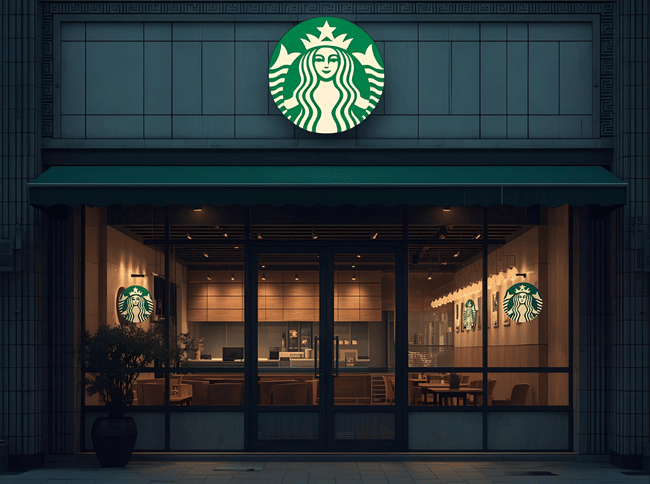
Under the new deal, Boyu Capitalwill acquire up to a 60% stake in Starbucks $SBUX 's Chinese retail operations , while the U.S. company will retain the remaining 40% and continue to license the brand. Starbucks thus formally loses the majority, but retains control of the brand and intellectual property - a similar model to that adopted by McDonald's and KFC in the past.
The end of dominance and the rise of domestic competition
Starbucks opened its first coffee shop in China in 1999 and gradually built a network of more than 8,000 locations. It has long been synonymous with Western style and premium coffee culture. But in recent years, the situation has changed dramatically. Domestic brands such as Luckin Coffee have taken the reins of the market with lower prices, faster expansion and a stronger focus on local flavours. Luckin now sells coffee for about a third of the price of Starbucks and offers a wider range of sweet and tea options that appeal to a younger generation of consumers.
Rising nationalism, a cooling Chinese economy and customers' reluctance to pay high prices for "Western brands" have forced Starbucks to rethink its strategy. In the wake of the pandemic, it became clear that luxury interiors and a premium image were not the advantage they used to be in a time of austerity. The result was stagnating sales and a gradual loss of market share, which the company is now trying to reverse with this partnership.
Boyu Capital: a partner with knowledge of the terrain
Why Boyu Capital? The fund is one of the most influential investment groups in China and has strong ties in the real estate and shopping centre management. It recently acquired a controlling stake in a company operating luxury shopping malls SKP, and also owns a commercial property management provider Jinke Smart Services Group. This combination of experience and contacts gives Starbucks the chance to better optimize operating costs, adjust network layout and increase expansion efficiency.
According to CTR research director Jason Yu, the deal could be a catalyst for growth if Boyu can reconcile a premium brand image with price pressure. "They have to strike a balance between brand positioning and participating in a price war - otherwise they would jeopardise long-term profitability," he warned.
Target of 20,000 cafes
CEO Brian Niccol in a statement expressed his ambition to expand the network of cafes in China from the current 8,000 to more than 20,000 locations. In addition to capital, Boyu is expected to bring new impetus to its real estate strategy and knowledge of local markets, which are key to its success. The investment fund is also arranging for its entry into Starbucks a $1.4 billion credit facilityto support the transaction.
Already this year, Starbucks has introduced a number of local innovations as part of its efforts to win back Chinese customers - opening free "study rooms" in its coffee shops, expanding its offerings to include sugar-free drinks and teas for local tastes, lowered prices on some products and allowed greater customisation of orders. The results are coming slowly but surely: Sales in China have been growing again in the last two quarters.
A signal to the whole sector
The move fits into a broader trend of Western brands ceding control of their Chinese divisions to local investors. McDonald's, KFC and Burger King have already implemented a similar model and have seen their market position improve as a result. From Starbucks' perspective, it is a pragmatic decision: maintain a global image and know-how, but adapt the pace of growth and pricing to Chinese realities.
The market's assessment of the transaction is positive - the company's shares rose by less than one per cent after the announcement, but it signals that investors see the move as a necessary restructuring. The total value of Starbucks' Chinese retail business, including licenses, now exceeds $13 billion.