
Eli Lilly is once again stretching the boundaries of what modern obesity treatment can achieve. In its phase 3 TRIUMPH-4 study, the company reported that its new triple-agonist injection, retatrutide, produced an average 28.7% reduction in body weight over 68 weeks—a result that surpasses even the blockbuster Zepbound. For a portion of participants, the weight loss translated to more than 70 kilograms, setting a new benchmark for the entire GLP-1 category and solidifying Lilly’s leadership in next-generation metabolic medicine.
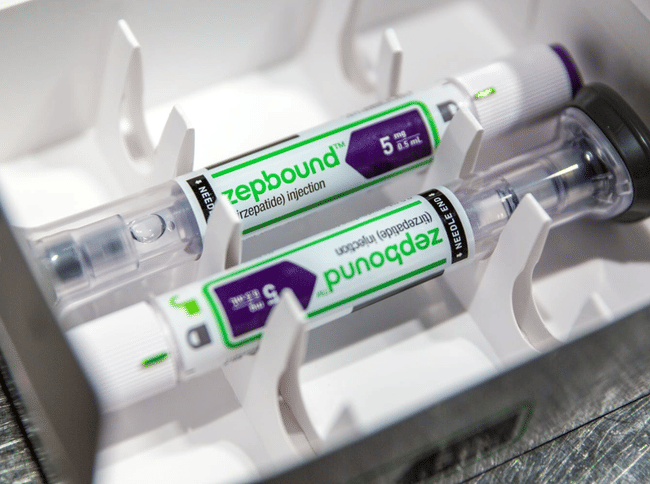
The broader market for weight-loss therapies is entering a new acceleration phase. Demand for GLP-1–based drugs such as Zepbound and Wegovy has already reshaped the pharmaceutical landscape, but retatrutide signals that the industry is only at the beginning of a multi-wave innovation cycle. Rather than representing the peak of the trend, today’s treatments may soon be seen as the first chapter of a much more potent “Obesity 2.0” revolution.
What exactly did retatrutide prove in phase 3
Retatrutide is given once a week and belongs to a class of so-called incretins - drugs that mimic the effects of gut hormones that affect hunger, metabolism and blood sugar regulation. Unlike the products used today, it has several key differences.
In the first large late-stage study, TRIUMPH-4, targeting patients with obesity and knee osteoarthritis, it showed:
- average 28.7% weight loss after 68 weeks at the highest dose
- an absolute loss of up to 71.2 pounds (over 32 kg) in some patients
- at the same time significant relief of knee pain and improvement in physical function
- more than one in eight patients was virtually free of knee pain after treatment
In doing so, Lilly has delivered numbers that exceed even the ambitious expectations of analysts. Previous mid-stage data showed approximately 24% weight loss after 48 weeks, and this bar was significantly raised in the late phase.
"Triple G": why is this mechanism different from Zepbound or Weg's
Today's obesitology hits like Zepbound or Wegovy are based on the agents tirzepatide and semaglutide, which target GLP-1 (or a combination of GLP-1 and GIP). Retatrutide goes even further and activates three receptors right away:
- GLP-1 - suppresses appetite, slows gastric emptying, helps lower glycemia
- GIP - another incretin hormone that modulates the metabolic response
- glucagon - a hormone that affects energy metabolism and fat burning
This "triple agonist" architecture has earned retatrutide the nickname "triple G" and experts expect that it is the combination of the three receptors that accounts for deeper and faster weight loss than today's standards. But at the same time, cross-study comparisons have their limitations - the population, baseline BMI, length of follow-up and method of data evaluation vary.
The competition is not sleeping: Novo Nordisk $NVO and the race for 'second generation' obesity drugs
Eli Lilly $LLY isn't the only one trying to take the GLP-1 era to the next level. Rival Novo Nordisk is developing its own "triple G" candidate, UBT251, which it licensed to its portfolio from China's United Laboratories. What this means for the market is that the battle for the next generation of obesity drugs will not just be between semaglutide and tirzepatide, but also between a new class of triple-agonists.
At the same time, it is becoming increasingly apparent that today it is not just about weight loss per se. Pharma is moving towards an "obesity-plus" model - that is, drugs that affect other comorbidities besides weight, such as:
- Osteoarthritis
- type 2 diabetes
- cardiovascular risk
- liver disease (e.g. non-alcoholic steatosis and NASH)
In this context, retatrutide is interesting precisely because it shows both massive weight reduction and joint pain relief and functional improvement in the same study.
Risks that investors must not ignore
But such a significant effect never comes without risks. There have been questions around retatrutide tolerance before, and even the first late-stage data show that:
- the proportion of patients who discontinue therapy due to adverse events is higher than for placebo
- common problems are nausea, indigestion and other typical gastrointestinal side effects
- a proportion of patients discontinued treatment due to 'too much' weight loss, which is a signal of strength of effect from a medical perspective but a potential complication from a real-world clinical practice perspective
Thus, regulators will be looking not only at absolute efficacy, but also at the safety and long-term tolerability profile - especially in patients who have other chronic diseases in addition to obesity.
The implications for Eli Lilly investors
From an investor perspective, retatrutide confirms several important theses:
- Lilly is consolidating its technology lead - Zepbound is already one of the most successful products on the market today, but retatrutide shows that the company has an even "sharper tool" in the pipeline for the heaviest obese patients.
- The obesity market will be multi-tiered - Cheaper, oral and less effective products may target the mass segment, while triple-agonists like retatrutide may target patients with extreme obesity and osteoarthritis-type complications.
- Competitive pressure on smaller players will intensify - Companies that have built an investment story on the "next GLP-1 candidate" may come under significant pressure if the second generation (triple-agonists) turn out to deliver even better numbers.
- Eli Lilly's valuation is already expecting a lot - $LLY stock has the huge success of the GLP-1 portfolio priced in, and retatrutide works more as a confirmation and extension of the story than as an entirely new narrative. A failure in the indication part would therefore be punished by the market.
Timing will also be important. Lilly itself states that seven other late-stage studies of retatrutide in obesity and diabetes are expected to end in 2026. Until then, investors will be looking primarily at the stability of the results, the safety profile, and whether the data will be as compelling outside the relatively specific patient population of obesity and knee arthritis.
Where the story may shift by 2030
If retatrutide proves successful across indications and the regulatory process goes smoothly, it has the potential to take the entire GLP-1 business to the next level by the end of the decade. Obesity will then definitively become a chronic, pharmacologically managed diagnosis, not just a "lifestyle problem", and revenues from this category could be comparable to the biggest blockbusters in history for the big pharma houses.
On the other hand, pressure for reimbursement, access regulation and long-term safety will intensify. For investors, retatrutide is thus not just about "a bigger percentage of the scale" but about whether Eli Lilly can maintain political, regulatory and social support for a massive expansion of these drugs into mainstream practice.