
President Donald Trump’s proposal to cap credit card interest rates at 10% has reignited a fierce debate in Washington and on global markets. While aimed at protecting consumers from high finance costs, the plan rattled financial stocks and raised questions about credit availability and banking sector resilience. Investors and analysts now grapple with the broader implications of potential regulation in an already volatile economic environment.
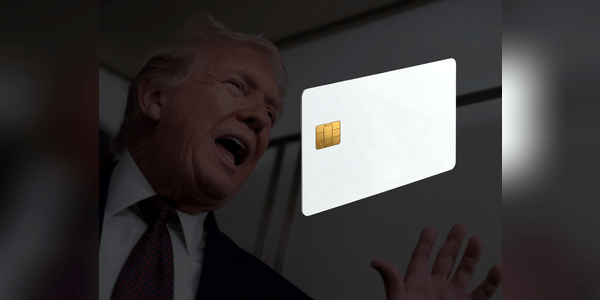
In early 2026, financial markets came under intense pressure in response to a policy proposal aimed at capping credit card interest rates in the US. President Donald Trump unveiled a plan to cap annual credit card interest rates at 10%, which in practice would radically curtail the traditional model on which card issuers and banks have long built their profit margins and cash flow.
The current average annual percentage rate (APR) for credit cards in the US is typically above 20%, and in some segments over 30%. This gap between the market and the…