
Senator Elizabeth Warren is pressing major employers including Meta, Amazon, Microsoft, UPS and Target to explain why they are cutting thousands of jobs while enjoying large corporate tax breaks from Donald Trump’s One Big Beautiful Bill Act. In letters sent to their CEOs, she asks them to detail by March 30 how big a tax windfall they received in 2025 and how they reconcile that with decisions to shed workers.
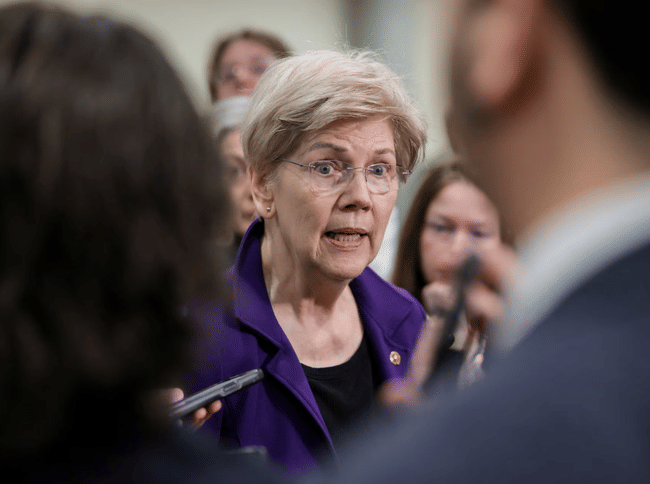
Warren argues that record profits, very low effective tax rates and big layoff waves are “another example of unrestrained corporate greed” made easier by the current tax code. Meta $META stands out in her criticism: analysis from the Institute on Taxation and Economic Policy estimates its effective federal tax rate in 2025 at just over 3.5 percent, while reports say the company is weighing cuts of up to 20 percent of its workforce to offset surging AI infrastructure costs. Similar moves at Amazon and UPS, which have announced plans to cut around 16,000 and 30,000 jobs respectively, turn the link between tax relief, layoffs and public reputation into a new political risk investors will have to watch.
What exactly is Warren calling for
In her letters, Warren asks that individual companies provide:
An accounting of the tax breaks and other benefits they received in 2025 thanks to the One Big Beautiful Bill Act.
Information on whether they expect to receive a refund of tariffs or other one-time benefits.
a summary of the number of layoffs in recent months, broken down by segment and location.
An explanation of how layoffs relate to investments in AI, automation and other productivity measures.
Meta is cited in the letter as an example of a company that generated a record $79 billion in U.S. revenue in 2025 while paying only about $2.8 billion in federal tax, an effective rate of just over 3.5%, an all-time low since going public in 2012. At the same time, according to Reuters, the company is considering laying off up to a fifth of its workforce to offset the cost of massive investments in AI infrastructure and to prepare for higher productivity through automation.
At Amazon, Warren is following up on earlier criticism of billions of dollars in tax breaks and simultaneous layoffs, with the company cutting red tape and slimming corporate structures while leaning on the growth of e-commerce, cloud and AI services. UPS is mentioned in the letter in the context of shedding 30,000 positions in a year when it is reshaping its relationship with Amazon and the company is optimizing delivery volumes.
Why the topic is sensitive right now
On aggregate numbers, some may argue that the layoff rate is low and the economy is holding up relatively well after the pandemic. But the situation is different for an individual layoff.
Few new jobs are being created.
People are less likely to leave voluntarily because they are afraid they won't find anything better.
Experienced professionals are also applying for entry-level and mid-level positions, so competition is tougher.
Against this backdrop, a series of big layoff announcements - often justified by "efficiency" or "better productivity through AI" - look much worse in public when accompanied by information about extremely low tax rates and record profits. Politically, this opens up space for the argument that tax breaks for big business do not lead to job retention, but rather to enhanced margins and shareholder rewards.
What this means for Meta, Microsoft, Amazon and others
In the short term, Warren's letters may mainly mean reputational and political pressure. The questions themselves do not change the tax regime or dictate to companies how to manage headcount. But when combined with media coverage and other campaigns (e.g., unions, think tanks like the Institute on Taxation and Economic Policy), the issue can become the basis for.
Proposals to limit some tax breaks.
making future incentives conditional on employment or investment commitments.
Stricter monitoring of AI-conditional layoffs in policy debates.
Meta is a typical symbol here. The company is investing tens of billions in AI infrastructure while planning perhaps the largest layoffs since the "year of efficiency" 2022-2023. From an investment perspective, this may improve margins in the short term, but politically it becomes an easy target: low taxes, massive buybacks, high AI CAPEX, and thousands of people out of work are powerful ammunition for Senator Warren and other critics.
Microsoft and Amazon, meanwhile, feature less specifically in the text, but they are in the same category: benefiting from tax changes, investing heavy billions in cloud AI while downsizing in some segments. This may attract more attention in the future, especially if pressures for more "efficiency rounds" increase.
Risks for investors
In the short term, the main concern is reputational. Warren's "declaration of war" on large companies in her letters will not in itself change the numbers in the next quarter, but may add to stock volatility on any further news of tax changes or large layoffs.
In the medium and longer term, it is more important whether initiatives like these turn into concrete legislative proposals:
Revisions to portions of the One Big Beautiful Bill Act related to tax breaks for large technology companies.
Conditioning tax benefits on maintaining a certain level of employment in the US.
New obligations regarding transparency of tax rates and planned AI-contingent layoffs.
What this could mean for shareholders:
Higher effective tax rates for companies like Meta, Amazon, Microsoft.
Less room for aggressive buybacks and other capital operations.
Pressure for slower or more sensitively communicated layoffs if they are associated with AI efficiencies.
What to watch next
For investors holding or considering titles like Meta, Microsoft, Amazon, UPS, Target, the key to watch will be:
Whether the companies respond publicly to the Warren letters at all, or let everything happen quietly.
Whether the issue makes it to the broader congressional hearings (finance, labor, technology committees).
how the media and analysts are handling numbers like the 3.5% effective rate of the Met and the planned 20% layoffs.
whether similar criticism will spread to other big tech stocks that benefit greatly from AI and Trump's tax changes.