


Europe and Trump have signed an agreement. Why is nobody excited about it?
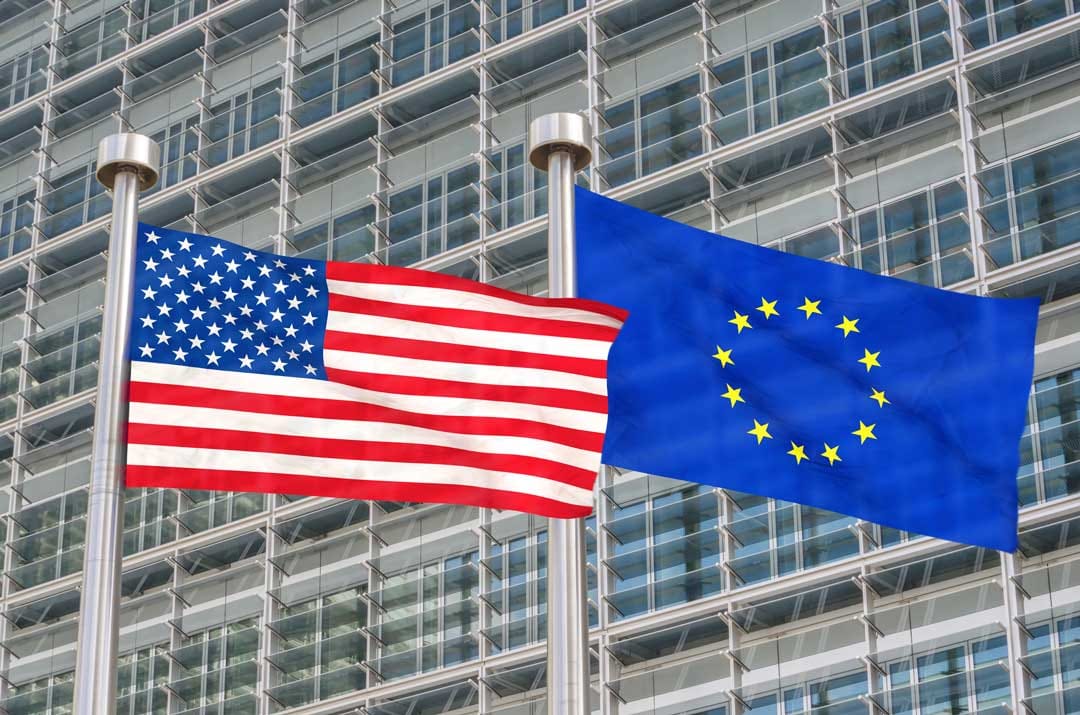
I don’t like getting into politics, especially on Bulios, but macroeconomics and the geopolitical situation are, in today’s world, almost everything that moves the markets.
Last week the European Parliament voted on something that will directly affect goods prices, the competitiveness of European companies and geopolitical tensions for years to come.
Result: 417 in favor, 154 against.
The deal passed. Yet some lawmakers call it bad.
How come? How can an agreement meant to bring stability and freer trade provoke such resistance?
The answer is simple: the two sides are not playing by the same rules. And the vote tally hides a much more important story.
Let's break down what the agreement actually contains and what it lacks.
What the EU offered:
Reductions in import tariffs on American industrial goods. Better access for American agricultural products. Continued zero tariffs on American lobsters — this was originally negotiated back in 2020.
Overall, this is a significant opening of the European market toward the USA.
What the USA offered:
The base tariff of 15% remains. It's not an exception for the EU; it's the standard condition Trump introduced broadly for almost the entire world.
And now the part usually missing from headlines: one month after the agreement was signed in Turnberry, the USA introduced 50% tariffs on the steel and aluminum content of products like wind turbines and motorcycles. In other words, exactly on the industry where the EU exports the most. The deal was signed in July — in August the new tariffs arrived. That's no coincidence. It's testing the limits.
So why did Parliament vote in favor anyway?
Because the alternative is worse. Without a deal, full escalation is a real risk. And the EU exports a record volume of goods to the USA — in 2025 it was €555 billion. This exposure creates structural pressure to conclude any agreement, even on unfavorable terms. Rejecting it would mean a trade war, which European industry, frankly, simply isn't prepared for.
Three safeguards that Parliament secured:
Parliament wasn't willing to approve the deal unchanged, and that's an important detail. Lawmakers pushed through three safeguard mechanisms that weren't in the government's original November version.
The sunrise clause means that the EU's tariff reductions will only take effect once the USA demonstrate they have fulfilled their part. No automatic concessions up front.
The sunset clause says the whole agreement expires on March 31, 2028. If no consensus to extend is found, the EU's tariff concessions automatically lapse. This mechanism is important — the EU is leaving itself a backdoor in case Trump or his successor changes course.
The suspension clause allows the EU to suspend the agreement if the USA violate the terms or if there is a devastating surge in American imports.
Parliament also demands that the USA lift the mentioned 50% tariffs on the steel and aluminum content of industrial products — a direct reaction to Washington's August move.
These are sensible guarantees. The real question is: will they work?
My thoughts
I follow this agreement with very mixed feelings and I don't want to mask that with artificial optimism.
On one hand, I understand the pragmatism behind this decision. Europe cannot ignore a market the size of the USA. A trade war would hit sectors that are key for economies like Germany, Italy or the Czech Republic. So a deal in any form is better than escalation.
On the other hand — this agreement is structurally uneven and I think everyone in Brussels knows it. The EU cuts tariffs, the USA hold at 15%. The EU exports at record levels but is negotiating from the position of the supplicant, not the partner. And the sunset clause until 2028 essentially says this: even Europe itself doesn't believe the deal will hold in its current form. Otherwise the sunset clause wouldn't be necessary.
I see a larger pattern. America under Trump systematically tests how far it can go — in trade, in NATO, on the question of Greenland. And the answer it gets is: pretty far.
For me as an investor this means one concrete thing: this vote is not the end of the story. It's the start of another round. Be prepared for the path to a final agreement to be winding.
The European Parliament voted for a deal that might be a reasonable choice, but definitely not the best. It's a compromise struck from a weaker position, with safeguards whose real strength will only be tested in practice.
On April 13 trilogue talks between the Parliament and the Council of the EU begin. Final voting is expected no earlier than June. Until then nothing will be settled.
Will this agreement become the new standard in geopolitics for Europe?

