


Dividend Aristocrat After Cleanup: 27 Years of Payout Growth, 4% Yield and Cheaper Than Peers

Regulated energy companies are among the most boring stocks on the market, and that’s precisely their strength. They operate as permitted monopolies: they supply households and businesses with electricity, gas, or water, and in return, the regulator guarantees them a predetermined return on the capital they invest in networks. The result is an exceptionally predictable, defensive business that reliably generates cash flow and dividends regardless of how the economy is performing. After all, people still use lights and heating even in a recession.
Key points
It has raised its dividend for 27 consecutive years, placing it in the elite club of dividend aristocrats, yet it trades cheaper than most major peers.
It recently shed its ill-fated multi-year bet on offshore wind farms and its water division, returning to a clean, predictable business.
Its rate base is set to grow from $30.6 billion to $49.3 billion by 2030, driving reliable earnings growth of 5% to 7% annually.
Accounting return on equity looks near zero, but that’s a mirage caused by one-off losses.
The regulator did lower its allowed return, but the company is fighting it in court, and a potential reversal would restore part of its earnings.
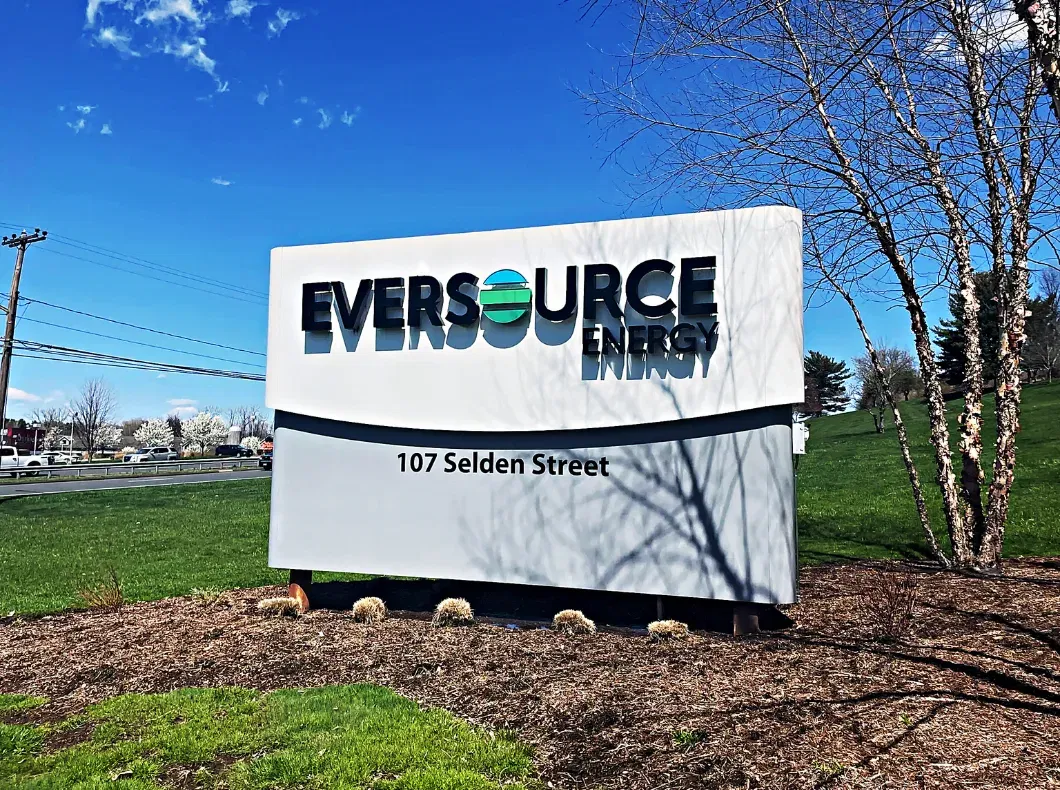
This particular company is one of the largest of its kind in the northeastern US, and on top of that boring reliability, it adds one rare quality: it has increased its dividend for 27 years without interruption. Yet it has gone through an unusually turbulent period in recent years. It was tempted into a big bet outside its boring core, building offshore wind farms, and that bet turned out badly. The company eventually backed out, but it left scars on its accounting and its stock price.
And that is where an interesting opportunity arises. After a painful cleanup, the company is returning to its roots—that boring but reliable regulated business it does best. It has shed its problematic ventures, sold a non-core division, and is focusing on what pleases investors: massive investments in networks, rewarded by the regulator with guaranteed returns, driving reliable earnings and dividend growth. Yet the market still values it with disdain, as if it still carries the stigma of its failed experiment.
So the question for investors is not whether it’s a quality, stable business. A regulated utility with 27 years of dividend growth speaks for itself. The question is whether the company has definitively put its wind misstep behind it, and whether today’s discount to peers is justified—or an opportunity to buy quality at a reasonable price. The answer, along with valuation, target prices, and scenarios, is discussed in the paid section.