


The challenger that's now taking customers from the fast-food king

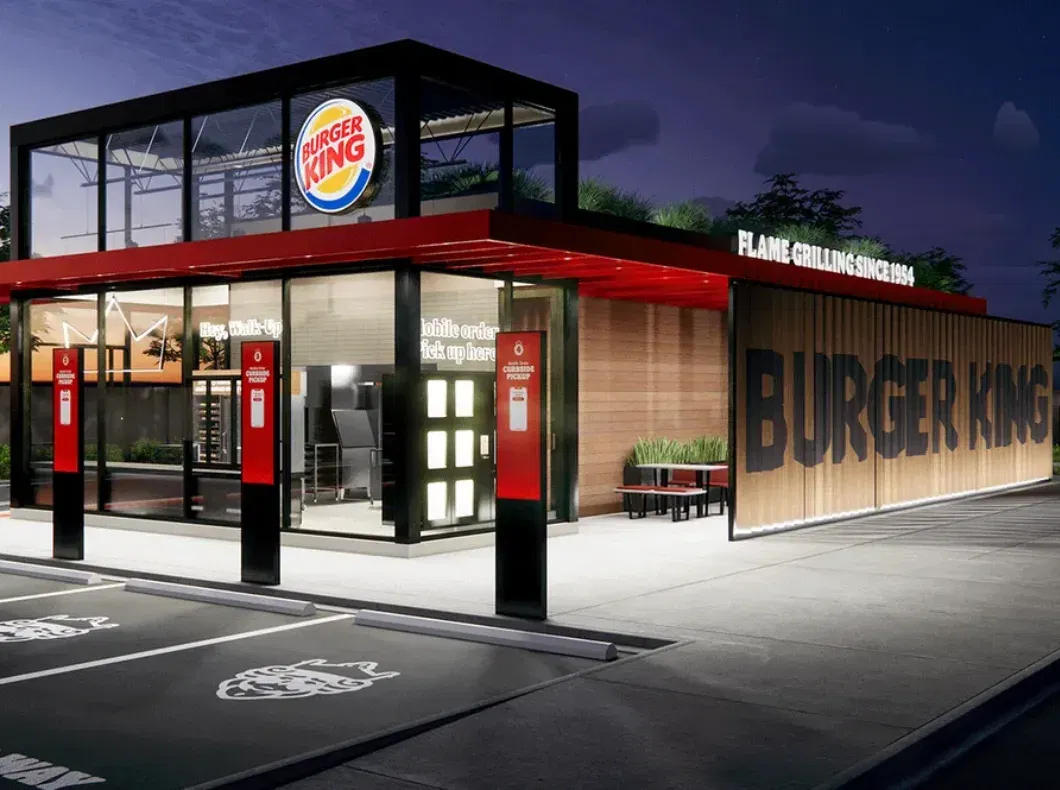
In the fast-food world, a battle is unfolding that resembles the story of David versus Goliath. On one side stands the unshakable king, the world's largest chain. On the other side, its perennial challenger, which after years of treading water has finally rallied and started taking customers from its bigger rival. And the numbers from recent months suggest that this challenger has just won an important round.
Key points
Burger King in the US grew comparable sales by 8.5%, while McDonald's grew only 0.8%. A gap not often seen.
Accounting profit fell by a quarter last year, even though the business was strengthening. The drop was caused by a temporary acquisition, not deterioration.
The company owns almost no restaurants. It collects fees from the sales of more than 33,000 locations worldwide.
It pays a dividend of around 3.5% and has increased it for 11 consecutive years, with room to raise it further.
It carries a huge debt, a legacy of aggressive former owners, but it has been reliably paying it down year after year.
The company we're about to discuss owns this challenger, along with three other well-known brands. And yet, when you look at its accounting profit, you see a decline. That's a curious contradiction: the business is clearly strengthening, restaurants are filling up, sales are growing, but reported profit is falling. The explanation isn't that the company is languishing, but rather a smart, though temporarily painful, maneuver that has distorted its accounting. Those who understand that maneuver see a completely different company than those who look only at the first line of the income statement.
Add to that an attraction for income investors (a reliably growing dividend) and one big question mark (a mountain of debt the company carries as a legacy of its former owners). So it's a mix that has something to offer, but also something to hide: a quality, defensive business built on collecting fees, an ongoing successful revival of its main brand, generous income, and at the same time financial leverage that needs to be watched.
The question for an investor, then, isn't whether Burger King is having good times. That's obvious. It's whether this revival is sustainable, whether the company can handle its debt, and whether today's price, which the market, according to some, is underestimating, is an opportunity.