


This ETF Pays a Dividend of Up to 12%

Regular income from investments is attracting more and more investors, and funds with double-digit dividend yields are among the most sought-after products on the market. But a high figure in the yield column alone says nothing about how much an investor will actually earn. Behind seemingly similar payouts lie very different strategies, from quality companies with steadily growing dividends to option selling that sacrifices price appreciation. Which funds actually earn their yield, and which are merely redistributing it?
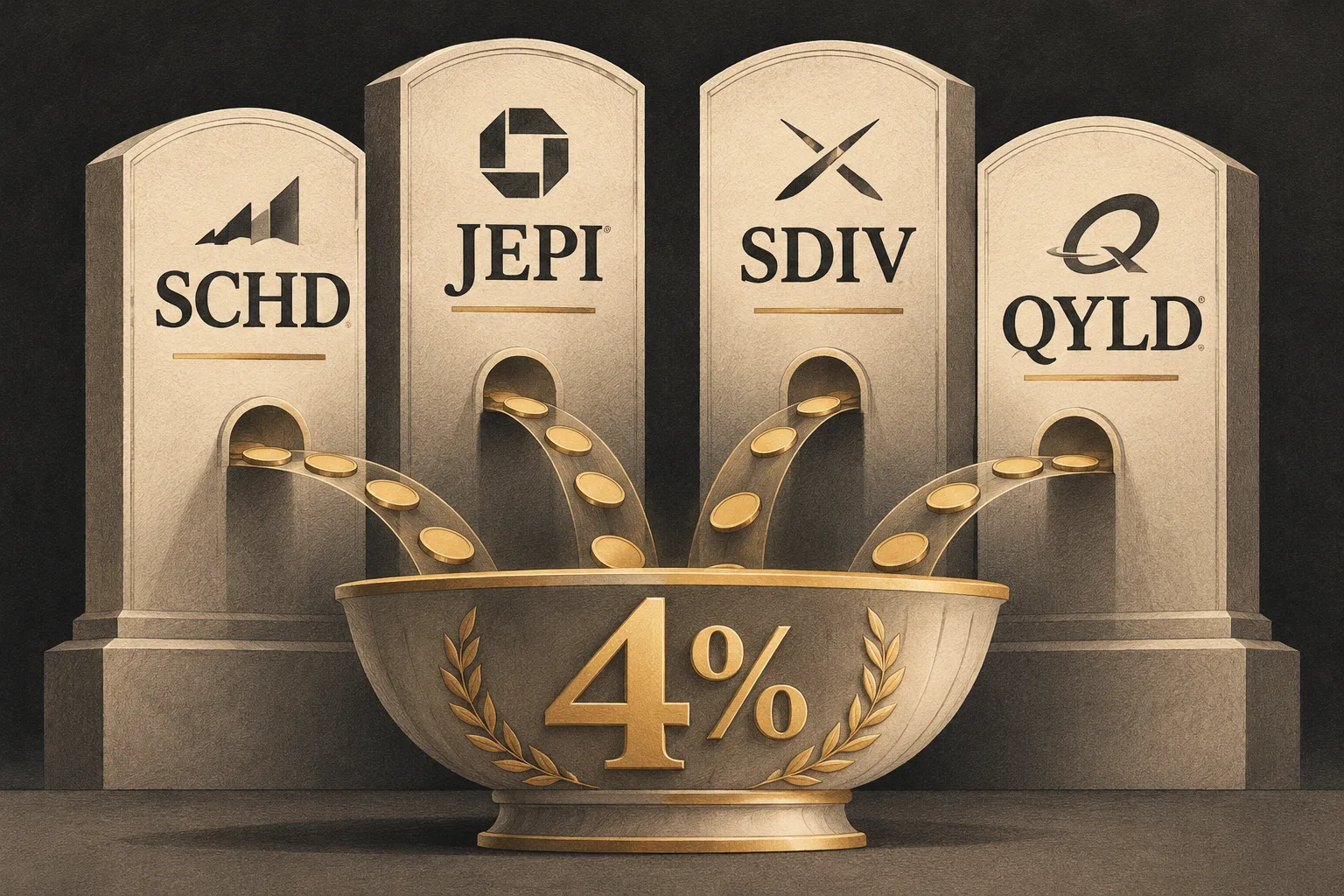
Key points
Four popular ETFs offer payouts ranging from 3% to almost 12% a year. Paradoxically, however, the fund with the lowest dividend yield has delivered the best long-term returns. Why doesn’t higher income automatically mean higher earnings?
One ETF pays investors nearly 10% a year, yet has earned virtually nothing over the past ten years. Not even reinvesting all the dividends was enough to overcome the long-term decline in the portfolio’s value.
A fund focused on the Nasdaq 100 offers a payout of almost 12%, but its strategy has a major catch. When technology stocks surge, investors give up most of the gains. When they fall, they are not spared the losses.
One of the most popular dividend ETFs combines more stable U.S. stocks with option selling and pays around 8% a year. However, the income depends on market nervousness and can fall significantly during calmer periods.
The difference between dividend yield and actual returns can cost investors a substantial portion of their wealth. With these four ETFs, it’s not just the size of the payout that matters, but also where it comes from, long-term capital growth, and fees, which vary by as much as tenfold.
Dividend ETFs have seen an extraordinary influx of capital in recent years. Some investors are looking for stable income to supplement or replace their salary; others want a counterweight to expensive technology stocks in their portfolios, while still others simply appreciate the feeling of having their investments send money to their account every month or quarter. October’s technology-sector sell-off further boosted this demand as capital shifted into more defensive segments of the market.
The problem is that the word “dividend” now covers very different things. A traditional dividend fund holds shares in companies that pay part of their profits to shareholders. Alongside these, however, there is a rapidly growing category of so-called income funds, which generate payouts mainly by selling options. And then there are funds that mechanically buy the highest-yielding stocks in the world, regardless of why their yields are so high.
The key is to distinguish between dividend yield and total return. Dividend yield shows how much a fund has paid out relative to the price of a share. Total return also factors in changes to the share price itself. If a fund pays out 10% while its price falls by 10%, the investor has not actually earned anything; they have simply received back part of their own money. So how do these funds stack up?