


These Are Stocks You Don't Want to Hold. Analysts Are Selling Them in Droves

Sell ratings are rare on Wall Street. Most analysts prefer neutral wording and use the word "sell" only when they are really sure. That makes the five stocks where skepticism prevails all the more interesting. We looked at what's behind it, how many analysts actually share it, and where screener figures diverge from reality.
Key points
One company surged 50% after its results, yet every analyst still recommends selling it.
A beverage maker is paying an extraordinary dividend of over $300 million, while its profits are falling under pressure from aluminum prices.
A real estate fund yielding over 7% pays out more than it earns, and a single tenant pays 60% of its rents.
A screener shows a loss for an infrastructure stock, but operating cash flow is growing by 10% and its ticker will soon disappear from the exchange entirely.
When a stock overview shows a "Sell" or even a "Strong Sell" consensus, most investors automatically rule it out. But that signal needs to be read in context. For US small-cap stocks, coverage is often handled by just 1 to 3 analysts, so the "consensus" may actually represent the view of a single bank. What's more, some sell ratings are not based on conventional fundamental research, but on quantitative models that react to price movements and volatility.
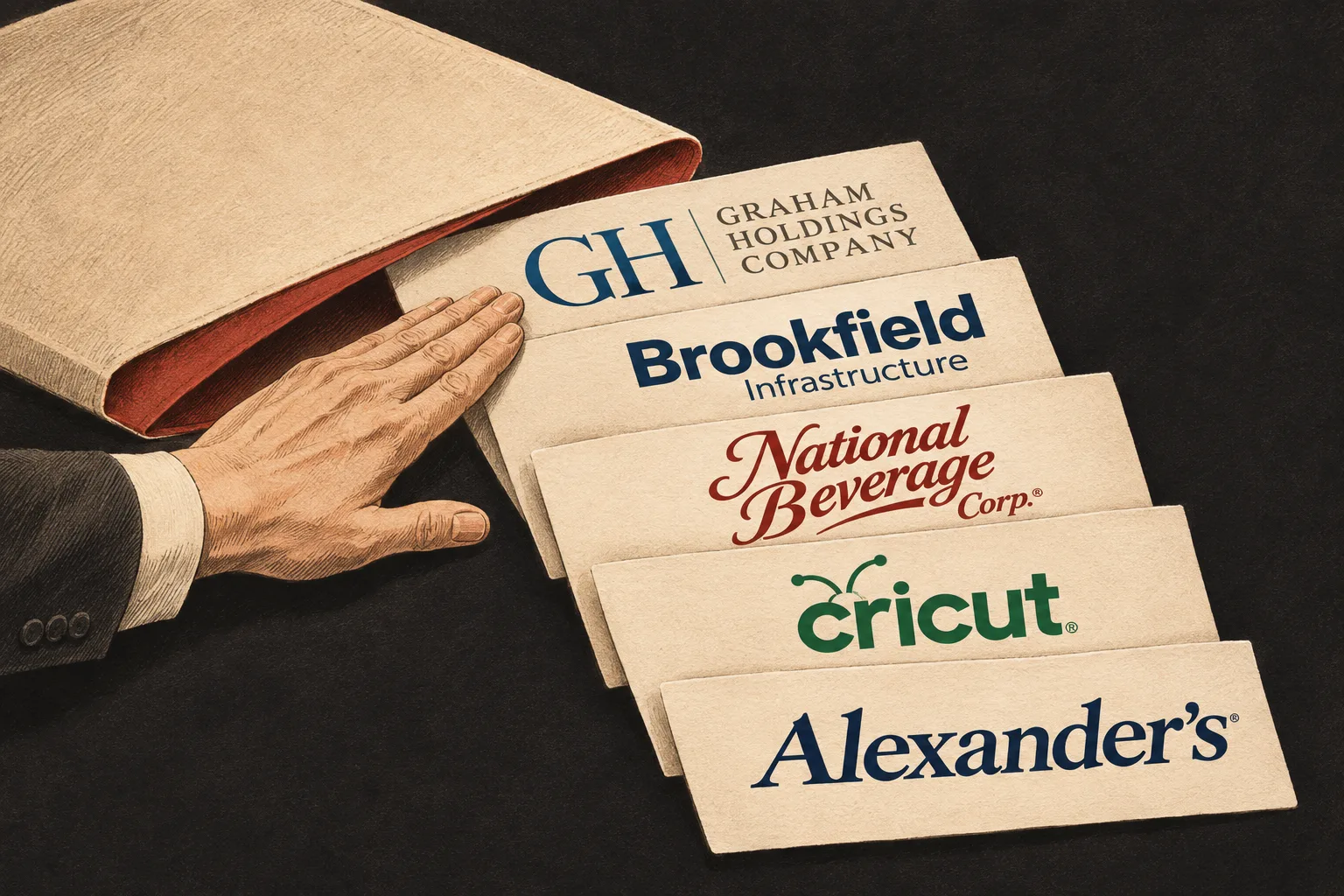
The five companies in this analysis span very different businesses: a maker of cutting plotters for home crafters, a sparkling water producer, a New York real estate fund, a global infrastructure owner, and a conglomerate with roots in publishing. They have just one thing in common: analyst skepticism. But it looks different for each of them, and is more justified for some than for others. If you'd like to refresh your understanding of how to read price targets and ratings, the Academy is a good place to start.