Is the future of Google's search engine in jeopardy?

A US federal court has ruled that Google violated US antitrust laws in its search business. The ruling represents a significant defeat for the tech giant and has the potential to fundamentally change the way millions of Americans get information online and disrupt Google's decades-long dominance.
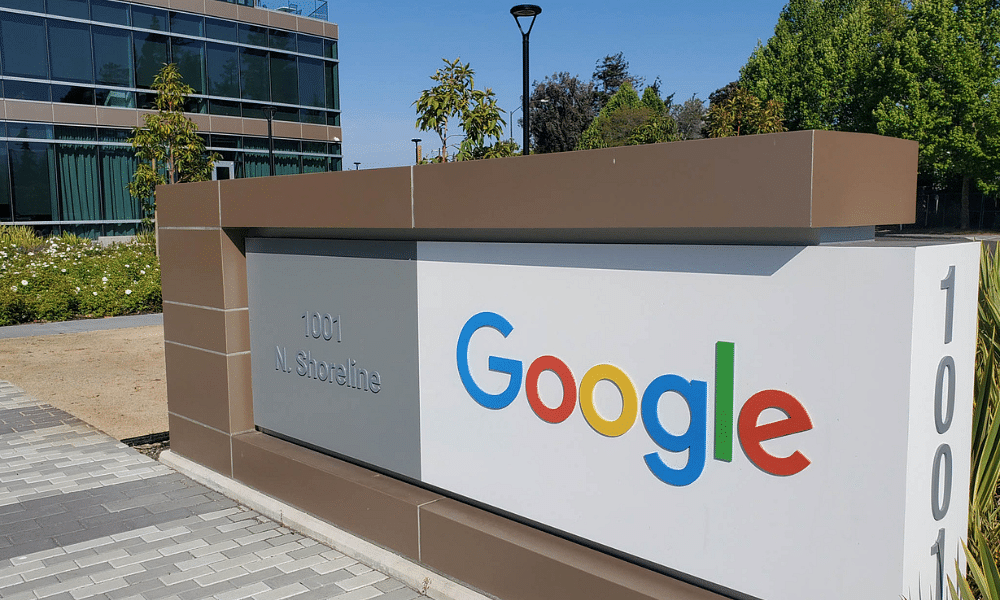
Google as a monopoly
In the opinion of Judge Amit Mehty of the U.S. District Court for the District of Columbia, Google is a monopolist that has maintained that position through anticompetitive behavior. The company violated the second prong of the Sherman Antitrust Act. The ruling criticizes Google's oldest and most important business, which has invested tens of billions of dollars in exclusive contracts to secure its dominance as the default search engine on smartphones and web browsers.
Anti-competitive practices:
Judge Mehta emphasized that Google's exclusive agreements with Apple and other key players in the mobile ecosystem were anticompetitive. Google also used its monopoly power to command high prices in search advertising. While the court did not find that Google has a monopoly on search ads, the ruling marks the first major decision in a series of lawsuits brought by the US government against large technology companies.
Reactions and next steps:
Attorney General Merrick Garland hailed the decision as a historic victory for the American people. The White House also hailed the ruling as a victory for citizens who deserve an internet that is free, fair and open to competition.
Google said in response to the ruling that it plans to appeal the verdict, pointing out that the court recognised Google as the best search engine on the internet, which was one of the company's main arguments during the trial.
Implications for the future:
The ruling could have far-reaching implications for Google's future and its ability to strike expensive deals with device manufacturers and online service providers. The court may also order the implementation of an "optional screen" informing users of available alternative search engines. In addition, Google is likely to face a monetary fine, although fines are not the main tool for enforcing antitrust laws in the US.
The decision may also affect other high-profile antitrust cases, including those against Apple and Amazon. It could also strengthen the Justice Department's antitrust suit against Live Nation, Ticketmaster's parent company, given how key exclusive dealing is in that suit.
Artificial intelligence at stake:
In his 277-page ruling, Judge Mehta said that Google's dominance in search, supported by exclusive agreements, could threaten future innovation and the rise of competition in artificial intelligence. If the court were to strip Google of the contracts that make it the default search engine on so many devices, it could damage its core product at a crucial timewhen competition in AI-powered search is on the rise.
This ruling marks a significant milestone in the history of antitrust litigation and highlights that the use of exclusive contracts by monopolists violates the law.
Source: Yahoo Finance, CNN.
Disclaimer: You will find a lot of inspiration on Bulios, but stock selection and portfolio construction is up to you, so always do a thorough analysis of your own.