Meta Steps Into the Power Market as AI Turns Into an Energy Giant

The rise of AI datacenters is reshaping the energy industry faster than any previous wave of digital transformation. As computing demand explodes, the underlying infrastructure is facing constraints that once concerned only heavy industry and utilities. Meta’s decision to pursue electricity trading pushes the company into an entirely new strategic territory, signaling that artificial intelligence is no longer just a software revolution — it is an energy-hungry industrial force.
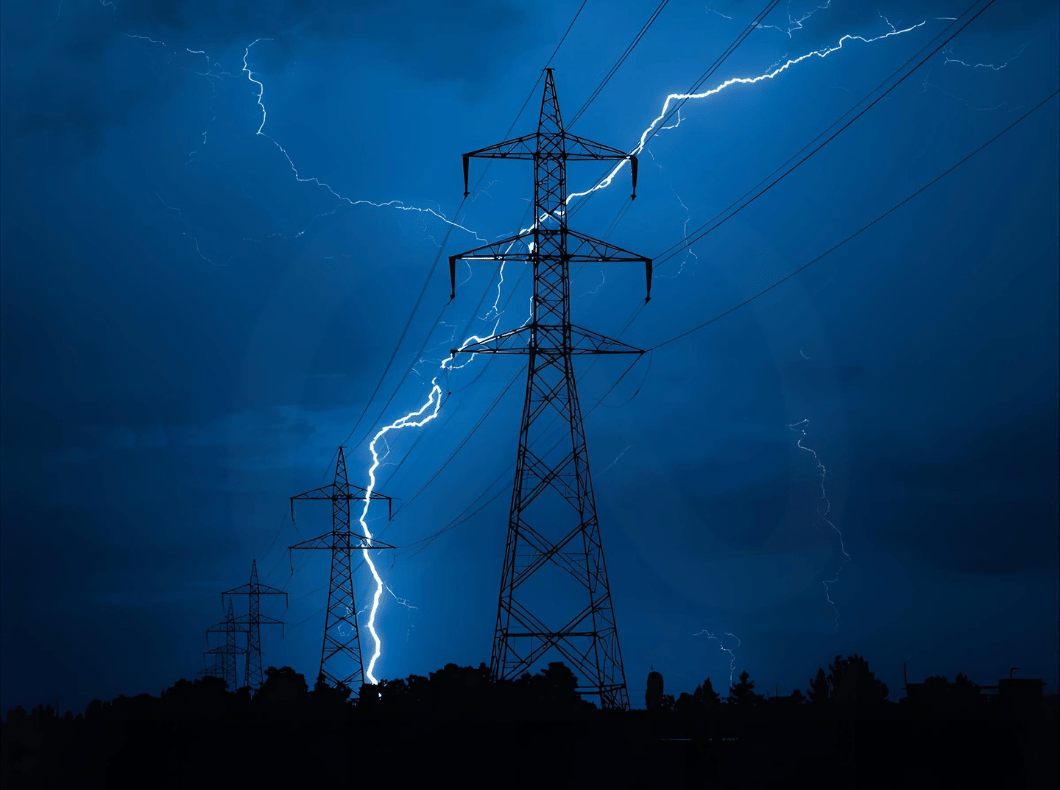
To support its next-generation campuses, Meta argues that it must secure long-term access to electricity on a scale previously unimaginable for a tech firm. Its planned Louisiana complex alone requires the equivalent of several new gas plants, a level of demand that forces tech companies to behave like major utilities: contracting for supply, underwriting new generation capacity and selling excess power on wholesale markets. Meta’s move marks the moment Big Tech becomes a direct participant in the energy grid itself.
But generation is only half the story. At the same time,Meta $META has been signing one solar contract after another, and in a single week it purchased nearly 1 gigawatt of capacity - pushing its solar purchases this year past the 3 GW mark. The advantage of solar is its rapid construction and low cost, making it a preferred choice for companies that are expanding faster than traditional sources can be built. But to really work, datacenters need power around the clock, not just when the sun is shining. That's why Meta is buying "green energy" certificates in Louisiana to offset the carbon footprint of fossil fuel electricity. But experts call this mechanism a dysfunctional relic of the past. At a time when solar and wind are cheaper than new coal or gas-fired power plants, they say, the certificates no longer provide a real boost to renewable investment - they just reshape the carbon balance on paper.
What's changing in the energy sector because of technology (and why it's more fundamental than it seems)
AI is changing the profile of electricity consumption. Traditional customers have been taking power with significant fluctuations, while AI data centers run 24/7 with near-constant load, dramatically changing grid stability and grid design.
Pressure on the transmission system is coming. The biggest problem is not generation, but transmission line capacity. In some US states, data centers wait up to 7 years to connect due to overloaded distribution networks.
Gas is growing in importance as a "stabilizing" resource. Gas-fired power plants are increasing in share because they are the only major source capable of quickly offsetting intermittent solar and wind power.
Tech firms are pushing for a new market with long-term contracts. These contracts have a 15-25 year outlook, which in the power sector has traditionally only been provided by industrial generation. Technology is now replacing it.
Commensurate with the growth of AI, water consumption is also growing. Cooling server farms requires huge amounts of water, which in some regions is causing more pressure than electricity consumption alone.
Experts say AI could double electricity use in some US states by 2030. That's a pace the energy sector hasn't seen since the mid-20th century.
This leavesMeta $META, Apple $AAPL and Microsoft $MSFT at a point where it is not enough to simply "offset" emissions. Their AI strategies need a real, physical supply of new energy. Power plant operators want assurance that their investments will pay off, and technology companies want stability to ensure their data capacity grows. This is giving birth to a new phenomenon: tech giants as key shareholders in energy infrastructure, no longer wanting to be just customers but also creators of energy markets.
It's a transformation that clearly shows where the AI ecosystem is moving. It's not enough to build chips, models and datacenters - you need to build the very energy backbone that keeps them running. And if AI is to evolve at the pace that Meta and others envision, energy will become one of the critical factors in future technological leadership. After all, AI doesn't live on code, it lives on electricity. And that's what the entire tech race stands and falls on today.
Trivia:
In 2023, data centres consumed 4.4% of electricity in the U.S..
The rapid expansion of AI is also leading to higher water consumption, emissions a e-waste.
By 2030-2035, data centres could account for 20% of the world's electricity consumption,.
The need for advanced cooling systems in AI data centres also leads to excessive water consumptionwhich can have serious environmental consequences in regions with water scarcity.