Quark S1: Alibaba’s Bold Push Toward a Post-Smartphone Reality

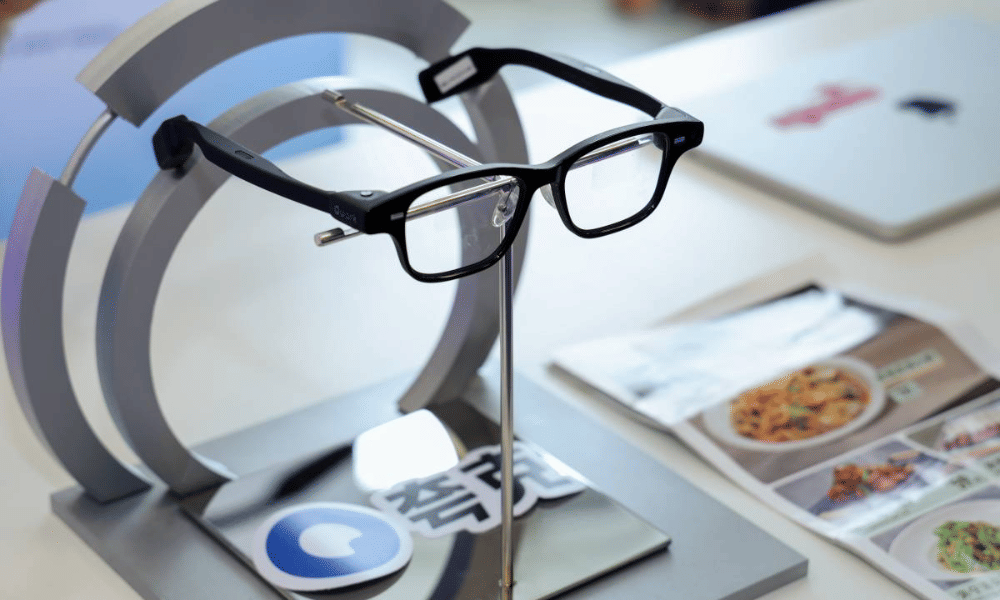
Alibaba is making one of its most daring hardware moves in years, and it goes far beyond launching another consumer gadget. With the debut of the Quark S1 smart glasses, the company is signaling a strategic leap toward a world where the primary interface shifts from handheld screens to immersive, AI-driven layers of information. The device blends Alibaba’s proprietary Qwen AI models, a growing ecosystem of apps, and an increasingly ambitious hardware vision — all aimed at building a platform that could, one day, challenge the dominance of the smartphone.
The rollout alone shows how seriously Alibaba tento nový směr myslí. The Quark S1 hit shelves in more than 600 physical stores across 82 Chinese cities, while simultaneously launching on Tmall, JD.com and Douyin. The timing is ideal: China has become the fastest-growing AR wearables market in the world, and consumers are rapidly adopting AI assistants, real-time translation and AR navigation. Rather than testing an immature category, Alibaba is stepping into a space where demand already exists — and where a major player can rewrite the rules of personal computing.
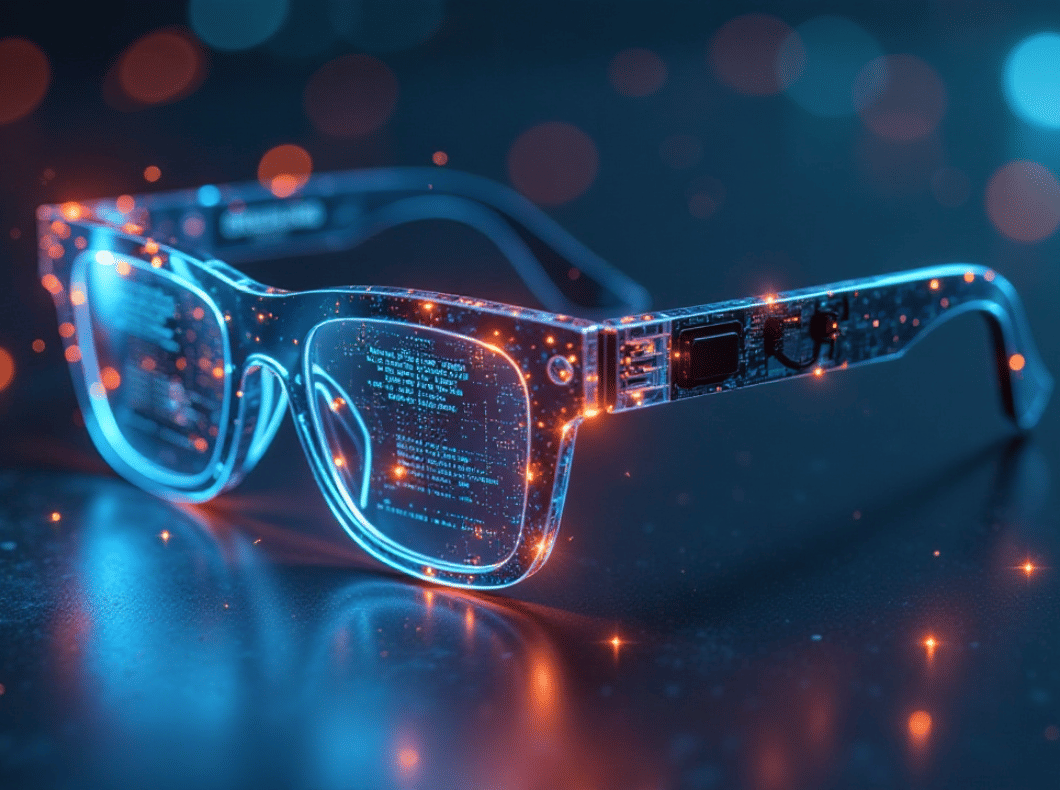
Quark S1 delivers a technology package that is hard to ignore. Micro-OLED transparent displays show contextual information directly in the field of view, while the camera and sensors enable visual analysis of the environment. Bone microphones improve voice recognition even in noisy environments, and replaceable batteries with 24-hour battery life address the biggest weakness of today's glasses - their limited power autonomy. Under the hood runs Qualcomm's Snapdragon AR1 optimized for augmented reality, complemented by NPU units for fast AI computations, translation, object recognition, or Qwen's answer generation.
But it's not just about technology. Alibaba is introducing Quark S1 at a time when it is transforming the entire company towards an AI-first model. Having recently unified all consumer services into the Qwen app, which gained over 10 million users in a matter of days, the glasses are becoming a physical extension of that platform. And this is where the long-term strategy becomes apparent: to connect Qwen AI with services like Taobao, Alipay, Fliggy, or the music catalogs of NetEase and Tencent. In this way, the glasses are not an isolated device, but a gateway to an ecosystem already used by hundreds of millions of people.
This allows Alibaba to offer something that competitors can't yet: a complete life in AR. A user can look at a product in the store and see reviews from Taobao right away, pay with a gesture via Alipay, translate signs around them into English, have the architecture of where they're standing described in real time, or get traffic alerts without ever pulling out their phone. This is the type of integration that startups are finding hard to match - and that even Meta or Xiaomi are watching with growing interest.
The market in China is extremely dynamic at the moment: according to IDC, 1.6 million smart glasses were sold in the last 12 months, and if you include models with displays, the number exceeds 2 million. Xiaomi is the dominant player, but only until a stronger combination of ecosystem, AI and user experience emerges. Alibaba's entry may be the moment when the market splits into a "pre-Quark" and "post-Quark" era. This is borne out by IDC's commentary, which expects a fundamental change in the competitive landscape - and investors are wondering if Alibaba $BABA is poised to become the next big player in a field where hardware and AI are combined into a single product.
Competition in the form of Meta $META Ray-Ban Display is pointing the way, but Alibaba is adding its own pace. Meta has the edge so far in interacting with a global audience and experimenting with gesture control, but Alibaba has something that Western rivals lack: a giant domestic user base, a centralized ecosystem of services, and a distribution network that can get a new product to millions instantly. What's more, for now, it's primarily targeting the Chinese market - where it has the greatest strength and where it can iterate quickly, collect data and improve the product before it starts expanding abroad.
https://www.youtube.com/embed/3Cc1WUb7XQ8?rel=1So the launch of the Quark S1 smart glasses looks like much more than just a product launch. It's a test to see if Alibaba has a chance to become a big player in the AR/AI world. If the glasses gain popularity, they could become what the smartphone was years ago: the main communication interface between humans and the digital world. If it doesn't catch on, it will remain a fascinating experiment - but an experiment that will set the bar for what smart hardware with real AI integration should look like.
Whatever the outcome, one thing is certain: the world of wearable electronics is changing, and Alibaba has just sent a very strong signal that it wants to be there from the very beginning.