Transatlantic Trade Shock: U.S. Tariffs in Greenland Standoff Jolt Global Markets

A Political Move With Market Consequences
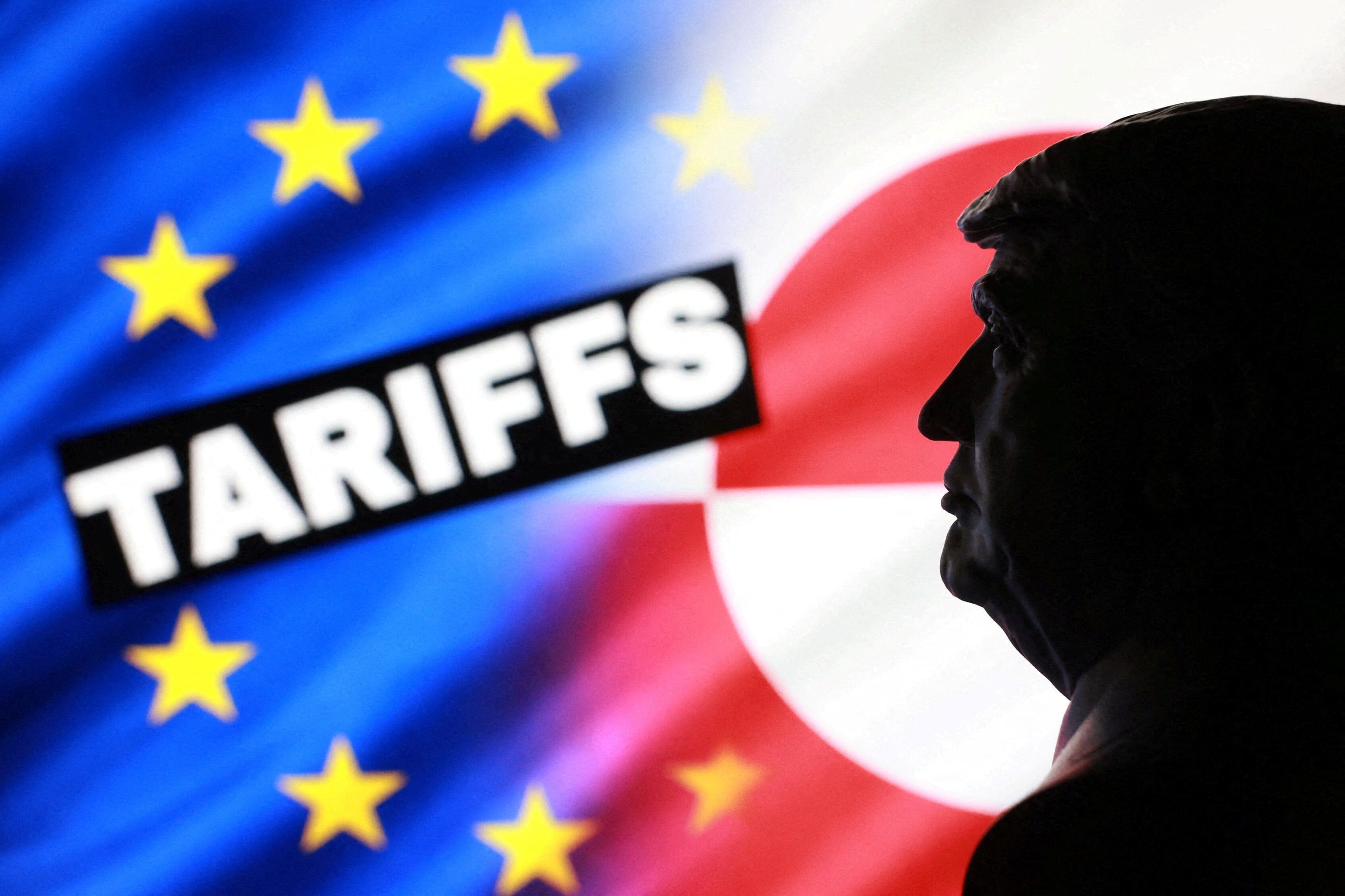
Global markets were jolted after the United States announced a new round of tariffs targeting several European countries, linking trade pressure to stalled negotiations over Greenland. The decision signals a sharp return to hardline trade tactics and immediately raised concerns about renewed transatlantic friction at a time when economic cooperation remains critical. The announcement framed tariffs not as a conventional trade dispute but as leverage in a broader geopolitical negotiation. That framing has unsettled investors, who are now recalibrating risk around policy unpredictability rather than economic fundamentals alone.
Europe Pushes Back Against Economic Pressure
European leaders responded swiftly and firmly, rejecting the use of tariffs as a negotiating tool and emphasizing that sovereignty and political decisions are not subject to economic coercion. Denmark, supported by multiple EU partners, made clear that Greenland’s status is not a bargaining chip, while broader European institutions signaled unity in their response.
The unusually coordinated tone from European capitals suggests that retaliation, while not yet confirmed, remains a real possibility should tariffs move from threat to reality.
Markets Weigh the Risk of Escalation
From an investment perspective, the situation introduces fresh uncertainty into global trade flows. Key sectors with deep U.S.-Europe integration, including industrials, autos, luxury goods, and advanced manufacturing, could face renewed cost pressures if tariffs are implemented and countermeasures follow.
Currency markets and equities have already shown signs of sensitivity, reflecting investor concern that political brinkmanship could disrupt supply chains just as global growth expectations begin to stabilize.
Greenland Becomes a Strategic Flashpoint
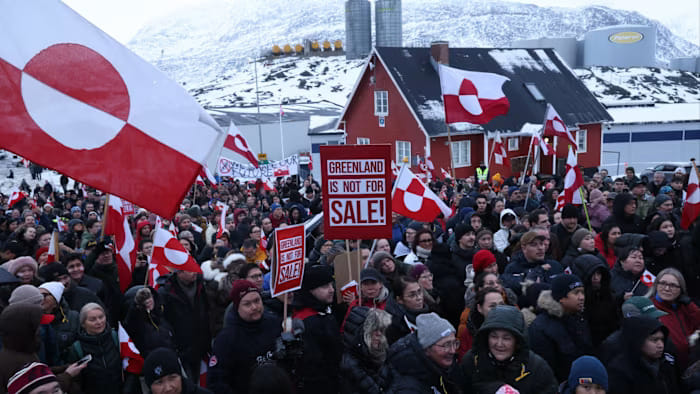
At the center of the dispute lies Greenland’s growing strategic importance. As Arctic routes, rare earth resources, and geopolitical positioning gain prominence, interest in the region has intensified. The U.S. administration has framed its approach as a national security imperative, while European leaders insist that any future decisions must respect existing governance structures and international norms.
This clash highlights how economic policy is increasingly intertwined with security considerations, complicating traditional diplomatic channels.
Investor Outlook Remains Cautious
For investors, the key issue is not the tariffs themselves but the precedent they set. Linking trade access to political objectives raises the risk of sudden policy shifts and increases volatility across global markets. While negotiations could still defuse the situation, the episode serves as a reminder that geopolitical risk remains a material factor in portfolio strategy.
This article was written and reviewed in line with the Bulios editorial standards.
Follow Bulios on Google News
Be among the first to discover new analyses, news and market moves.
Recommended articles

 BLACK
BLACK