
Donald Trump publicly demanded that Netflix remove board member Susan Rice and threatened unspecified “consequences” if the company does not comply. The wording is vague, but the message is direct: this is pressure aimed at corporate governance, not a complaint about content or quarterly results.
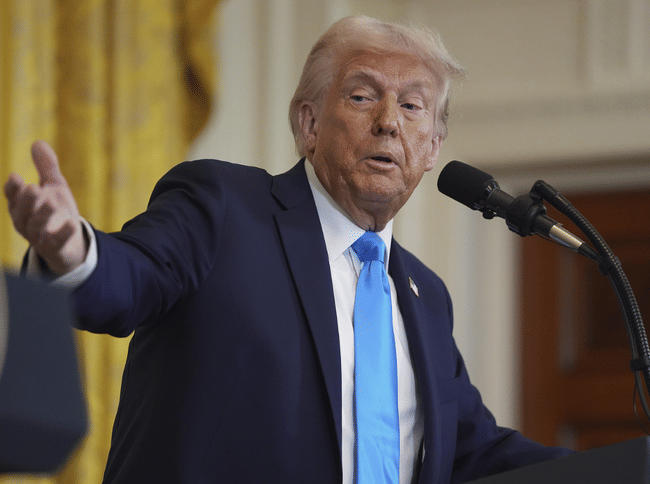
The timing matters because Netflix is already trying to get a major Warner Bros. Discovery transaction approved, with shareholder and regulatory steps underway. When political threats enter a process that is supposed to be judged on antitrust and economics, uncertainty rises and timelines can stretch. For investors, the risk is not only legal review, but also a higher “political discount” on the deal until the path becomes clear.
What exactly did Rice say and why is Trump addressing it?
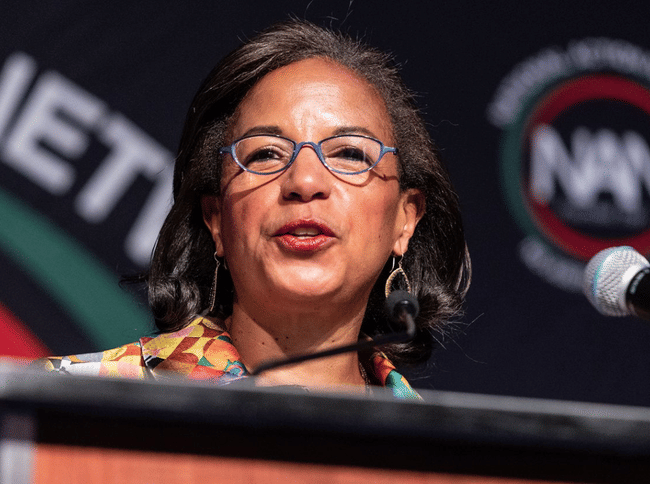
The trigger was Rice's podcast debate, where she claimed that some businesses, media, and law firms have begun to accommodate Trump and cave in to the pressure for loyalty. She also suggested that if the Democrats return to power, they will not let such actions go unchallenged and will deal with them more harshly than before. Trump and conservative commentators are therefore framing this as an indirect threat of political retaliation and an argument that people associated with Democratic administrations have influence even within big business.
Importantly, Rice is not a spokeswoman, but a board member. Netflix $NFLX reappointed her to the board in 2023 and she also serves on the nominating and corporate governance committee. This turns the statement into a corporate governance issue: the political firestorm is no longer about opinions, but about whether a president can publicly push for personnel changes on the board of a private company.
Why it's coming now: Netflix and the "war" on Warner
Behind the scenes, a transaction is underway that could change the map of global entertainment. According to both the Financial Times and Reuters, Netflix's plan to buy Warner Bros. Discovery $WBD is facing political and antitrust pressure, while there is a competing bid from Paramount and Skydance. This is exactly the type of situation where even a vague threat of "repercussions" will start to be taken seriously by the market, because in the real world it can take the form of prolonged approvals, tougher terms, or increased reputational costs for those who will decide on the deal.
In other words: Netflix doesn't need anyone to "ban" streaming. All it needs is for the biggest strategic move of recent years to get significantly more complicated, and the value of the entire bet starts to recalculate. And that's exactly the lever that some of the commentary in the US media is aiming at - that the pressure may be directed mainly at the transaction and the regulatory process, not the Netflix product itself.
What "consequences" are realistic for Netflix
Unlike TV stations, Netflix does not need a traditional broadcast license, so a direct "license revocation" does not make sense. Still, there are three practical ways in which the pressure can translate into business:
The first risk is that merger approvals will start to be handled mainly politically, not just according to competition rules. In large media mergers, decisions are made not only on legal arguments, but also in an atmosphere that affects the willingness of regulators to go into litigation, demand more information and stretch out time.
The second is reputational pressure on partners: banks, insurers, counterparties in a deal and large advertisers for content brands may act more cautiously in a politically toxic environment.
The third is a broader signal to the sector that "right staffing" can be a political issue - and that's the type of risk for investors that is hard to model but quickly increases the discount.
What Netflix can do and why each choice is expensive
Netflix essentially has two paths, and both carry costs. Should Rice recuse himself, part of the market may see this as an effort to "clear the hurdle" at the most sensitive moment and reduce the headline risk around Warner's endorsement. But it also sets a precedent: you show that the board's staffing is negotiable under political pressure, opening the door to other similar demands.
If Rice doesn't recuse, Netflix will retain its position as an independent company, but risks cycling the issue back into the media, increasing volatility and adding gasoline to the fire around the deal. In an environment where a deal can still be dragged through antitrust procedures, this is an uncomfortable extra burden.
Conflicts of interest
Another interesting detail is that Trump, according to his year-end financial filings, bought bonds of Netflix and Warner Bros. Discovery, securities whose value and riskiness also depend on how stable their business is and how smoothly large transactions in the sector go. It's not the stocks, but the bonds also create a direct financial interest in keeping the company from getting into unnecessary chaos that raises the cost of financing or worsens the perception of risk. That's why this detail has quickly become part of a wider debate about where the political criticism ends and where the pressure begins, which can have financial overtones.
What to watch next
Three signals will be key. First, whether Netflix will issue a formal statement on Rice and whether the topic will spill over into further calls toward regulatory authorities. Second, what the next steps in the process around Warner will be, and whether there will be indications that the approval process is becoming politically complicated (more requests for information, extended deadlines, tougher public commentary). Third, whether other players in the media ecosystem will weigh in, because at that point one dispute over a board member can become a broader test of the power between politics, regulation and big business.