


Why Can Tokyo Send Your Stocks Down More Than the Fed?

Wall Street had its worst day since spring 2025, and the Japanese yen barely budged. That’s not good news. The biggest pile of cheap borrowed money in thirty years hasn’t moved yet, and December offers two reasons why it might.
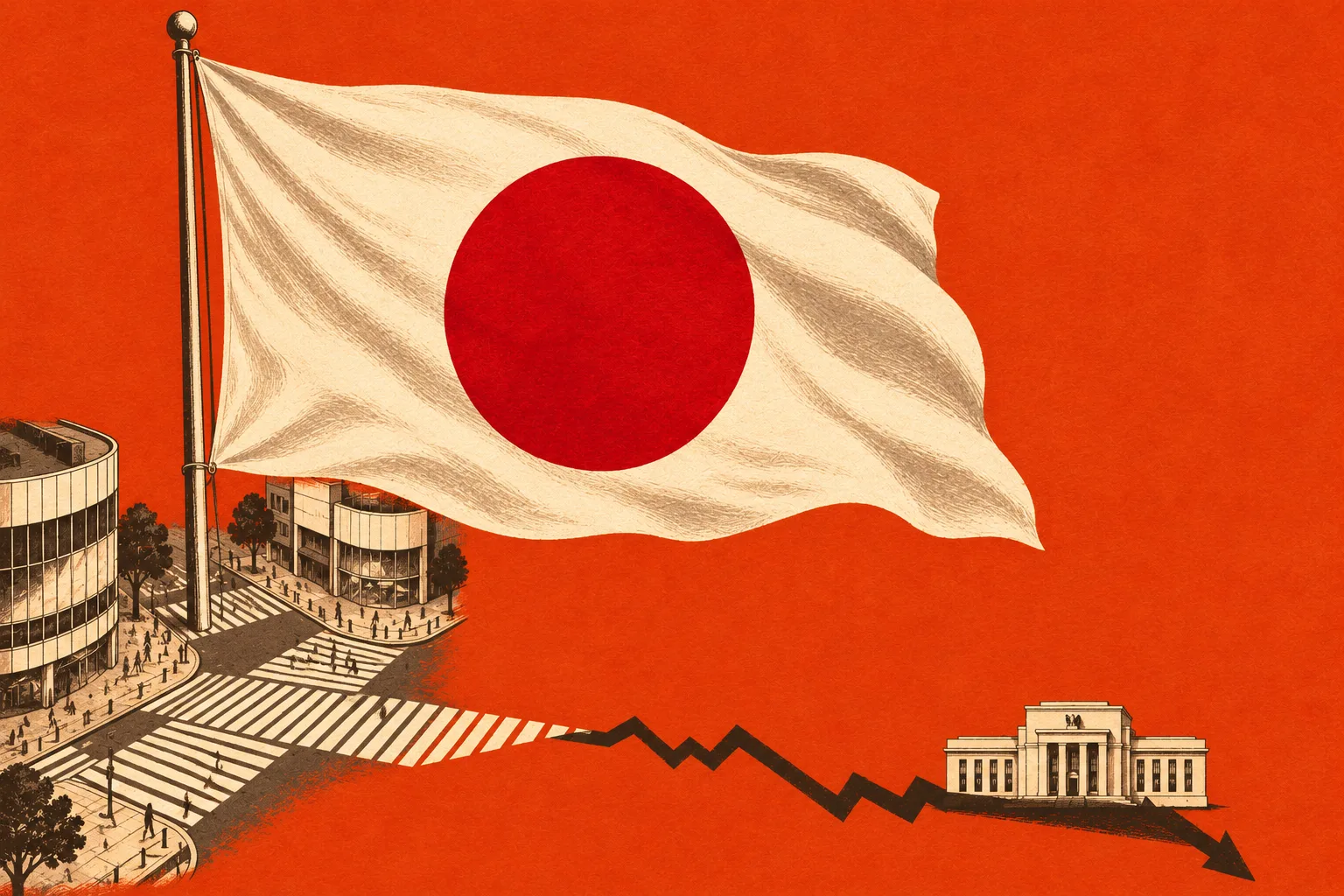
Key points
Wall Street had its worst day since April 2025, but the currency market, usually the most turbulent in moments like this, stayed quiet
Cross-border yen borrowing reached $2.35 trillion, its highest level in three decades
The average investor doesn’t see this position anywhere in their portfolio, yet they hold exactly the assets at stake
At today’s interest-rate differential, a single percentage point currency move wipes out the return from 140 days of holding
December brings two dates just nine days apart that could determine which way this breaks
The worst day since 2025, and the yen barely moved
On Thursday, November 5, U.S. markets had a day to remember. The S&P 500 lost 4.4%, the Nasdaq fell 5.5% and closed in correction territory, more than 10% below its October high. The Dow Jones dropped more than 1,800 points. According to CNBC, it was the worst one-day decline since April 2025, when the trade war rattled markets. This time, the trigger was the U.S. election result and fears that a new majority in Congress would slow the construction of AI data centers.
By Friday morning, the wave had spread to Asia. South Korea’s Kospi opened down nearly 9%, and the exchange halted trading for 20 minutes; Japan’s Nikkei was down 7%.
Now for the key point. The currency market, usually the most turbulent in moments like this, was almost silent. The yen strengthened just 0.2% on Friday to 157.40 per dollar, quickly gave back some of its gains, and the dollar continued to trade around 158 yen, a few percent below the 160 threshold that Tokyo and Washington jointly defended over the summer.
In August 2024, a similar sell-off looked completely different: the yen surged more than 10% in just a few days, and that was what dragged stocks down around the world. Today’s calm in the currency market doesn’t mean it’s over. It means the enormous financial leverage behind part of this year’s rise in U.S. stocks has yet to be unwound. That’s why investors with an S&P 500 ETF or Nvidia shares should watch not only the Fed, but also the central bank located 11,000 kilometers from Wall Street.