The British economist who predicted the 2008 crisis warns of the danger we are heading into

Everyone is now keeping a close eye on the situation in the banking sector. A lot of criticism of the central banks, led by the Fed, is now coming to the surface. One of the most vocal critics is Ann Pettifor, who predicted the 2008 crisis in her book. So let us look at the situation through the eyes of the critics.
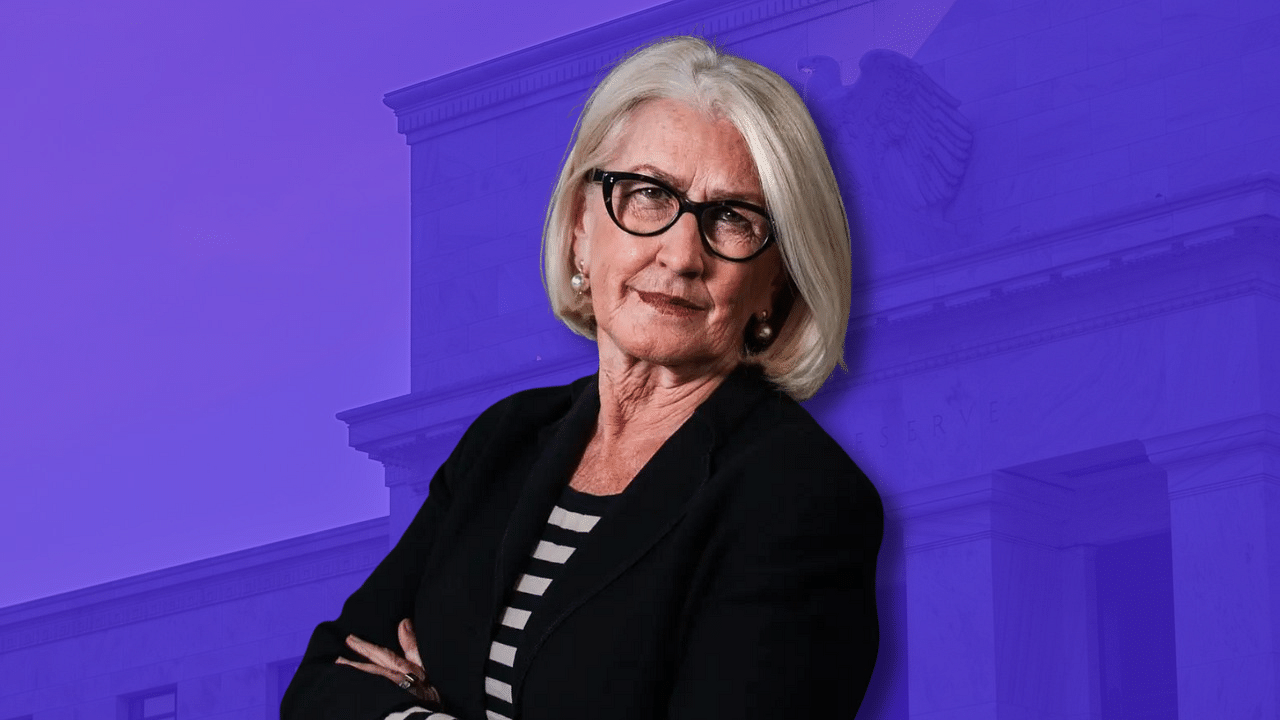
Central banks around the world, with the US Federal Reserve (the Fed) at the helm, have prioritised reducing inflation, even though it is causing pain to individuals and businesses. This strategy has attracted criticism from various quarters, including economists and political figures who argue that targeting inflation in this way could lead to harmful socio-economic consequences.
Tight labour markets, high wages and inflation
Tight labour markets and high wages have been the primary drivers of inflation. However, attempts to curb these factors could lead to redundancies, unemployment and a potential recession. This approach has been widely criticised, with Bank of England Governor and Fed Chairman Jerome Powell facing opposition.
British economist Ann Pettifor, known for her accurate prediction of the 2008 financial crisis, accuses central banks of prioritising "class warfare over financial stability". Pettifor argues that their willingness to risk bank failures and global financial instability is a significant problem.
The Fed has been implicated in the recent collapse of Silicon Valley Bank, accused of blocking information about regulatory failures that may have contributed to the bank's collapse. This has raised questions about the Fed's role in maintaining financial stability while trying to reduce inflation. Indeed, many critics point to the fact that it was the Fed's reckless interest rate hikes that put smaller banks under pressure and it was only a matter of time before the first problems emerged.
Despite the recent bank collapses in the US and Europe, the European Central Bank (ECB) continues to raise rates in a big way. Pettifor criticizes the ECB's persistence and suggests it may contribute to further financial instability.
Political criticism of central banks' inflation policies
Progressive political figures in the US, such as Senators Elizabeth Warren and Bernie Sanders, have criticized Powell and the Fed for risking recession and increased unemployment. They argue that pursuing low inflation can have serious socio-economic consequences.
Raising interest rates tends to disproportionately affect low-wage workers, triggering layoffs and slowing wage growth. This exacerbates income inequality and could lead to further social and economic instability.
A 2022 study by the Economic Policy Institute found that more than half of the increase in the price of goods and services was attributable to higher profit margins among businesses, while only 8% of inflation was associated with higher wage costs. This raises questions about whether central banks' focus on labour markets as the primary driver of inflation is misplaced.
Some economists argue that the Fed's 2% inflation target is outdated and that a higher steady state inflation rate of around 3% to 4% might be more appropriate. This would mean rethinking the current approach to inflation targeting and considering its broader socio-economic implications.
Conclusion
While central banks around the world continue to wage war on inflation, it remains uncertain whether recent bank failures and criticism from the left will affect their determination to reduce inflation at any cost. The debate between financial stability and the potential pain inflicted on people and businesses will undoubtedly continue to determine monetary policy decisions in the years ahead.
WARNING: I am not a financial advisor, and this material does not serve as a financial or investment recommendation. The content of this material is purely informational.