Netflix is pushing the standard fare to $20. Streaming is definitely moving closer to linear TV

Netflix is pushing the standard ad-free plan to the $20 per month mark, testing how far viewers' price elasticity can go for premium streaming. What was originally a "cheap alternative" is becoming an expensive product, where an ad-free experience is moving into the category of luxury, not standard.
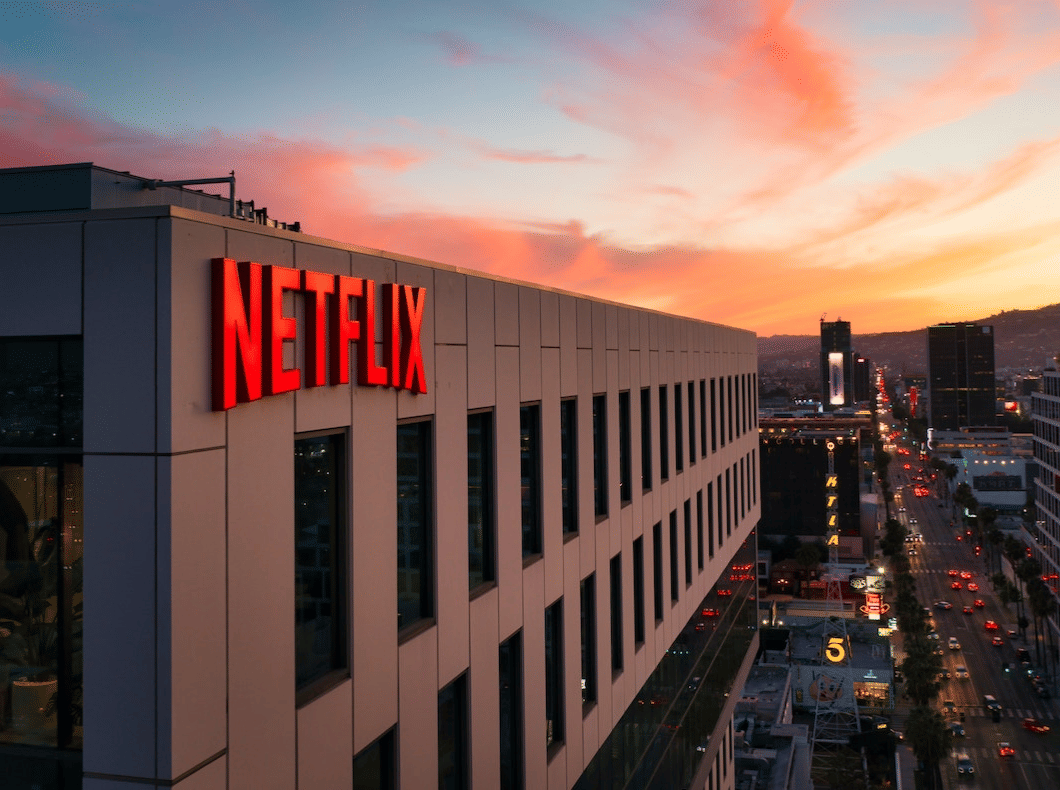
But at the same time, Netflix is aggressively shifting the center of gravity of the business to ad-supported plans where the true value of the customer is measured primarily by screen time. For very active users, the combination of subscription and advertising can already generate higher monthly revenues than the most expensive ad-free plan, fundamentally changing the economics of streaming and the incentives of the platform itself.
Netflix: $20 for standard and advertising as an engine
In March, Netflix $NFLX raised the price of the standard ad-free plan from $17.99 to $19.99 per month, pushed the premium plan to $26.99, and made the ad-supported plan more expensive at $8.99. According to CNBC, this is the moment when the economics of streaming start to look strikingly similar to traditional cable TV - a cheaper entry-level plan with ads and expensive packages for those who want a "pure" experience.
EDO's analysis shows that a user on an ad-supported plan can generate a total of about $20 a month after about 28-29 hours of viewing - the same as a standard plan without ads costs. With around 41 hours of viewing per month, the total monthly revenue per user is close to $25, more than what Netflix collects for the standard ad-free plan. The model assumes a CPM of around $43 and about nine 30-second ads per hour. EDO's Kevin Krim describes this as a "double payoff": if a user on an ad-free plan is actively watching content and ads, they can be as valuable, or more valuable, to Netflix than a customer on an ad-free plan.
Advertising revenue is heading towards 3 billion and beyond
Netflix's ad business is no longer an add-on. In its earnings report, the company said it expects ad revenue to roughly double to about $3 billion in 2026, up from about $1.5 billion in 2025. In the first quarter of 2026, the company's total revenue grew 16% year-over-year, on a combination of higher prices, growth in its member base and a larger contribution from advertising.
According to data from The Current's presentation and analysis, Netflix has around 90-100 million monthly active users on an ad plan globally, and in countries where the option is available, ad-tier already accounts for more than 60% of new sign-ups. So in markets where advertising is running, it is the cheaper, ad-supported option that most new customers are choosing - the exact opposite of the narrative from the days when streaming was seen as an escape from advertising.
In the short term, this means a new growth engine for Netflix: the company benefits from both a higher average subscription price and the monetisation of viewing time through advertising. In the long term, however, it rewrites the definition of a "valuable customer" - it is no longer the one who pays the most, but the one who spends the most time on the platform.
Competition is getting more expensive and streaming is accelerating
Netflix is not alone in "streamflation". Antenna's data shows that between the end of 2022 and 2024, the average price of paid streaming services without ads rose by roughly 23%, and by roughly 25% for ad-supported plans. According to an estimate based on Bureau of Labor Statistics data, the "subscription and rental of video and video games" categories in the US rose nearly 20% year-over-year in December, confirming that streaming is among the most inflation-hit areas of entertainment.
The big players have continually raised prices across the board: Disney $DIS raised prices on both Disney+ and Hulu, HBO Max moved up its standard plan, YouTube TV $GOOG raised its monthly fee several times. In practice, this means that a bundle of five major services that only a few years ago came out at the level of cheaper cable often costs significantly more today - and the gap against linear TV is thinning fast.
Streaming is returning to cable - only digitally
The original promise of streaming was: fewer ads, more freedom, lower prices. But according to analyses by CNBC and Military.com, that's rapidly changing - ad-free viewing is becoming a premium class privilege from the former standard, while the default for the masses is a cheap ad-supported plan.
From the platforms' perspective, it makes sense to judge a user's value by a combination of subscription and ad revenue. A highly active user on a cheap ad plan can bring in more than someone who pays $20-25 per month but watches little. This moves streaming closer to the old cable model, where "eyeballs and time" was the main metric - the only difference is that today platforms have much more detailed first-party data and finer ad targeting.
So the biggest structural change is not the price increases themselves, but the reframing of product logic:
Ad fare is becoming a core input
the ad-free experience is a premium add-on
viewing time is converted into specific ad revenue and users are segmented by profitability, not by tariff price tag
From the viewer's perspective, this means that the "world after cable" is becoming dangerously similar to what they once wanted to escape from - only instead of a set-top box, they have a smart TV in their hand, and instead of one cable bill, they have several smaller collections from streaming services.